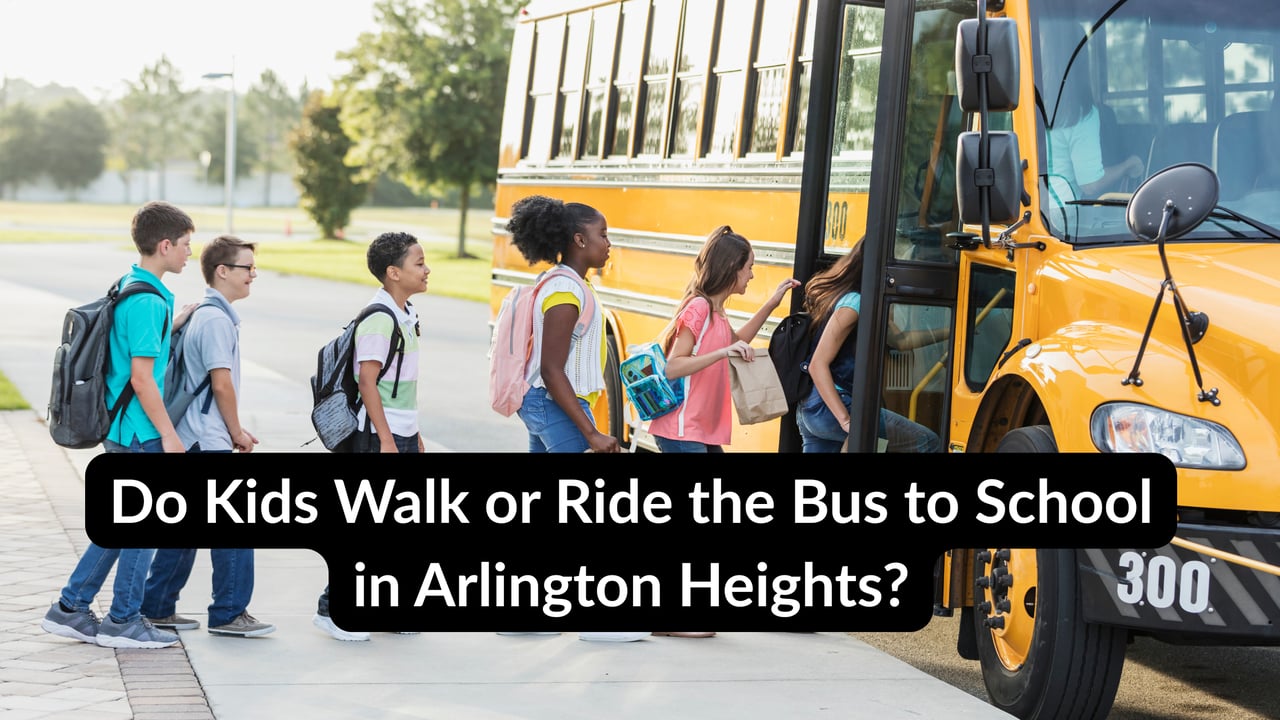
In Arlington Heights, whether a child walks or rides the bus to school depends on the home’s distance from the assigned school and the safety of the route.
Illinois generally provides free bus transportation when a student lives 1.5 miles or more from the assigned school. Students who live closer may be considered walkers, although route safety and district policies can affect transportation eligibility.
Paid bus service may also be available in some cases, depending on the district, route, and available space.
Key Takeaways
- Illinois generally provides free school bus transportation when a student lives 1.5 miles or more from the assigned school.
- Students who live within 1.5 miles are often considered walkers, although route safety may affect eligibility.
- Many Arlington Heights schools are located within residential neighborhoods, making walking or biking practical for some families.
- A home may look close to a school on a map but still involve major road crossings, railroad tracks, or streets without sidewalks.
- Paid bus service may be available for students within the walking boundary, depending on the district, route, and available space.
- Before buying, drive the route from the home to the school at the time your child would normally travel.
How Illinois School Transportation Works
The statewide transportation rule is a helpful place to begin, but it should not be your only source.
Under Illinois law, school districts generally provide free bus transportation when a student lives 1.5 miles or more from the assigned school. Students who live closer than that are often considered walkers and may not qualify for free transportation.
The 1.5-mile rule is a starting point. Individual districts may offer additional transportation, and safety concerns can affect how a particular route is handled.
If school transportation will influence your home purchase, confirm the policy directly with the district before writing an offer.
What Walking to School Looks Like in Arlington Heights
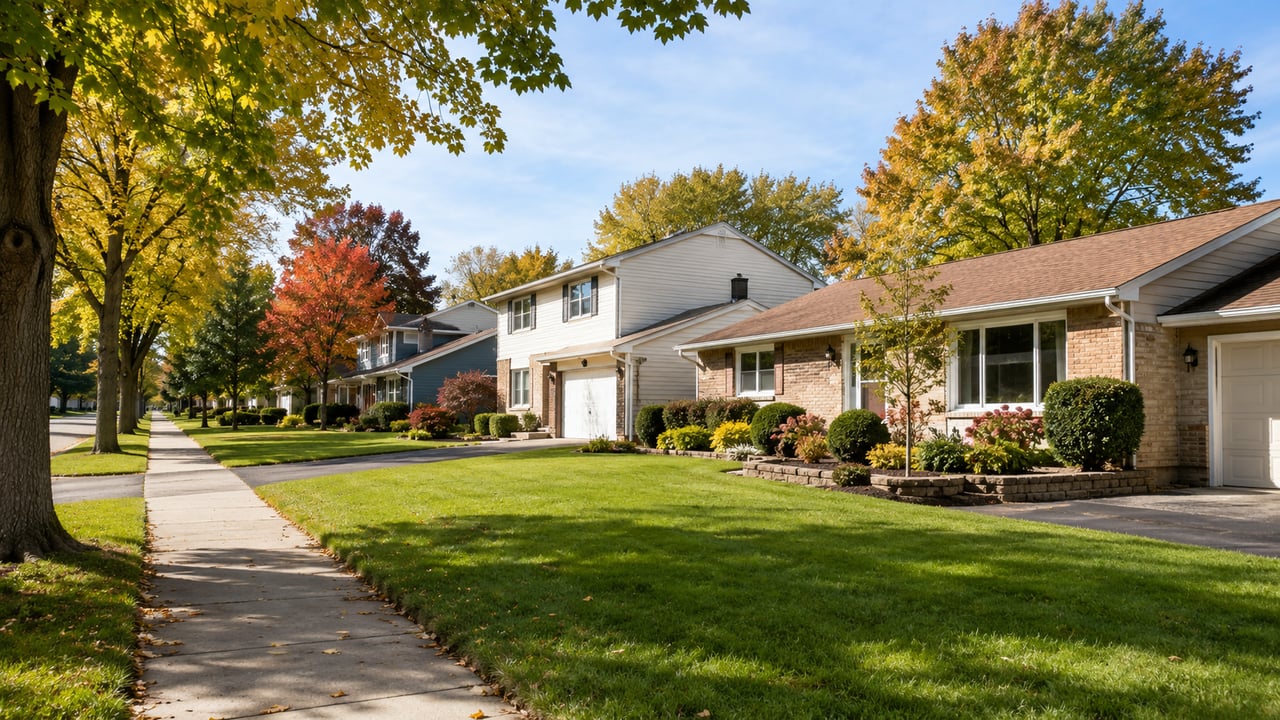
Many Arlington Heights schools are located within residential neighborhoods rather than along major roads.
For families living nearby, walking or biking to school may be a realistic part of the daily routine. Some routes stay mostly on neighborhood streets and include crossing guards at busier intersections.
Still, distance on a map does not always show what the trip will really feel like.
A home that appears close to a school may require crossing a major road, using a railroad crossing, or walking along a street without continuous sidewalks.
The best way to understand the route is to experience it yourself. Drive or walk it at the time your child would normally travel so you can see the traffic, crossings, sidewalks, and overall routine.
When Route Safety Affects Transportation
Distance is an important part of transportation eligibility, but it is not the only factor.
Some walking routes may be designated as hazardous because of conditions that make them unsafe for students.
Those conditions may include:
- Major road crossings without adequate traffic controls
- Railroad crossings
- Long stretches without sidewalks
- Poor lighting
- Other conditions that make the route unsafe for a child
A student who lives less than 1.5 miles from school may still qualify for transportation if the route has an official hazardous-route designation.
For a home near a major road, railroad crossing, or other barrier, ask the district whether the route from that exact address is considered safe for walkers.
What to Know About Paid Bus Service
Some school districts offer paid bus service for students who live within the normal walking boundary.
This may allow a family to purchase transportation when there is space on an existing route.
Availability can depend on:
- The school district
- The specific address
- The existing bus route
- Available seating
- Current district policies and fees
Paid transportation is not guaranteed. Contact the district’s transportation department to ask whether it is available for the property you are considering.
School Transportation as Part of Your Home Search
Transportation is easy to overlook while you are comparing prices, taxes, layouts, and neighborhood features.
Once you move in, though, the school commute becomes part of every weekday.
A home where your child can safely walk to school creates a different routine from one that requires daily drop-off or bus coordination. Neither situation is automatically better, but it helps to understand the difference before you buy.
Transportation eligibility also depends on the assigned school for the exact property address.
This guide explains why real estate websites may show incorrect school-boundary information.
This article about elementary school districts near Arlington Heights and Rolling Meadows shows how several districts can serve homes within the same general area.
For a broader look at the purchase process, this guide to buying a home in Arlington Heights walks through the main steps.
You can also learn more about local family amenities in this guide to Arlington Heights parks, pools, and splash pads.
A Practical Checklist Before You Make an Offer
If school transportation matters to your household, work through these steps before committing to a property:
- Confirm the assigned school for the exact address through the official district.
- Review the district’s current transportation policy.
- Ask whether the student would qualify for free transportation from that address.
- Ask whether the route is considered safe for walkers.
- Find out whether paid bus service is available and what it costs.
- Drive or walk the actual route at the normal school travel time.
- Look for major road crossings, railroad tracks, missing sidewalks, and heavy traffic.
- Confirm the information again before writing an offer if the home is close to a boundary or eligibility line.
These steps can give you a much clearer picture of what the school commute will actually look like from a particular home.
What This Means for Arlington Heights Homebuyers
Whether a child walks or rides the bus in Arlington Heights depends on more than the neighborhood name or the distance shown on a listing website.
The assigned school, official distance measurement, district policy, and safety of the route can all affect transportation.
Verify the exact address with the district, ask specific questions about eligibility, and experience the route yourself.
A few extra steps before buying can help you understand the daily routine before it becomes your routine.
Frequently Asked Questions
What is the distance requirement for free school bus service in Illinois?
Illinois generally requires school districts to provide free transportation when a student lives 1.5 miles or more from the assigned school. District policies and hazardous-route designations may affect eligibility, so confirm the details with the specific district.
Do children walk to school in Arlington Heights?
Many do, especially when they live near a school located within a residential neighborhood. Whether a particular student walks depends on the distance, route conditions, assigned school, and district transportation policy.
What is a hazardous school route?
A hazardous route is a walking route that has been identified as unsafe because of conditions such as major road crossings, railroad tracks, missing sidewalks, poor lighting, or other safety concerns. Students on an officially designated hazardous route may qualify for transportation even when they live within 1.5 miles of school.
Is paid school bus service available in Arlington Heights?
Some districts may offer paid transportation for students who live within the walking boundary. Availability depends on the district, route, capacity, and current policy. Contact the district’s transportation department for the exact address.
How do I know whether a home is within the walking zone?
Contact the school district’s transportation department with the complete property address. Ask about the distance to the assigned school, transportation eligibility, and whether the route is considered safe for walkers.
Why should I drive or walk the school route before buying?
A route that looks short online may involve heavy traffic, a major intersection, railroad tracks, or missing sidewalks. Experiencing the route at the normal travel time gives you a better picture of the daily commute.
Can transportation eligibility change?
Yes. Routes, policies, school assignments, fees, and capacity can change. Confirm current information directly with the district before relying on it for a home purchase.