In Chicago’s Northwest Suburbs, the home updates that add the most value before selling usually signal care, not luxury. Fresh neutral paint, refinished hardwood floors, thoughtful kitchen and bathroom improvements, and strong curb appeal often deliver the best return for the cost.
Full renovations are rarely necessary. The goal is to help the home feel clean, cared for, and ready for its next owner.
Key Takeaways
- Fresh paint is one of the most useful updates in almost every home. Neutral colors help rooms feel clean, bright, and easy to picture.
- Refinishing existing hardwood floors can make a major difference, especially in Northwest Suburban homes where hardwood is a feature many buyers notice.
- Kitchen and bathroom updates should usually be targeted and cosmetic. New hardware, updated lighting, fresh caulk, and simple fixture changes can go a long way.
- Curb appeal matters before buyers ever step inside. Fresh mulch, trimmed landscaping, a clean front door, and power-washed surfaces help set the right tone.
- Over-improving is a real risk. Expensive finishes and highly personal design choices may not return what they cost.
- The best approach is often to do less, do it well, and pair those improvements with thoughtful pricing and presentation.
The Question Worth Asking First
“Should we update anything before we list?”
It is one of the first questions most sellers ask. The honest answer is that it depends, but you may need to do less than you think.
Most buyers in Chicago’s Northwest Suburbs are not expecting every home to have a brand-new kitchen or designer finishes. They are usually looking for a home that feels clean, functional, and well cared for.
They want to feel confident that they can move in without immediately facing a long list of repairs or deferred maintenance.
The updates that tend to help are the ones that remove doubt. The updates that do not help are often the ones that cost more than they add or reflect the seller’s personal taste more than broad buyer expectations.
Here is how to tell the difference.
Paint: A High-Impact Update in Almost Every Home
If there is one recommendation that applies to nearly every home in the Northwest Suburbs, it is fresh paint.
Neutral paint can make a home feel cleaner, brighter, and more move-in ready. It covers scuffs, softens dated colors, and helps the rooms feel connected. It also makes a noticeable difference in listing photos.
What usually works well:
- Soft whites, warm whites, light grays, and warm greiges in the main living areas
- A consistent palette from room to room
- Lighter colors in rooms that feel dark or have smaller windows
What to avoid:
- Bold accent walls that may distract buyers
- Choosing colors only to match dated finishes rather than creating a fresher overall look
Paint is relatively affordable, can often be completed quickly, and has an immediate visual impact. It belongs on many pre-listing plans. The full Arlington Heights home preparation guide explains how painting fits into the larger preparation timeline.
Flooring: Refinish What You Have Before Replacing It
Flooring has a bigger visual impact than many sellers expect. It is often one of the first things buyers notice when they enter a room.
Hardwood floors are common in many Northwest Suburban homes. If the floors are dull, scratched, or discolored, refinishing them may be one of the most worthwhile improvements you can make.
If there is hardwood beneath older carpet, it may also be worth finding out what condition it is in before deciding to install something new.
Updates that often add the most value:
- Refinishing existing hardwood floors
- Replacing worn or stained carpet with a neutral option
- Creating a more consistent look across the main living areas
What to avoid:
- Installing expensive flooring that does not fit the home’s price range
- Spending heavily on basement flooring while more visible areas still need attention
The goal is not necessarily to install brand-new floors throughout the home. It is to keep the flooring from becoming a distraction or a concern buyers add to their repair list.
Kitchens: Focused Updates Instead of a Full Renovation
Buyers pay close attention to kitchens, but that does not mean sellers need to complete a full renovation before listing.
In many Northwest Suburban homes, a full kitchen remodel will not return its entire cost. Buyers often respond well to a kitchen that feels bright, clean, functional, and thoughtfully maintained, even if it is not brand new.
Targeted updates that can make a difference:
- Painting or refinishing cabinets when they are in good condition
- Replacing dated cabinet and drawer hardware
- Updating older light fixtures
- Replacing countertops when they are badly damaged or distracting
- Repairing loose doors, drawers, faucets, or appliances that are not working properly
What may not be necessary:
- Replacing every cabinet when paint or refinishing could improve the appearance
- Installing premium appliances that do not fit the home’s price range
- Changing the entire layout shortly before selling
A kitchen that feels clean, bright, and functional can create confidence without the expense and disruption of a complete renovation.
Bathrooms: Small Improvements Can Feel Significant
Bathrooms are similar to kitchens in one important way. Buyers respond to how the space feels, not simply how much money was spent on it.
A bathroom with clean grout, fresh caulk, brighter lighting, and an updated mirror can feel refreshed even when nothing structural has changed.
On the other hand, yellowed caulk, dim lighting, dripping faucets, or damaged fixtures can make a working bathroom feel neglected.
Updates worth considering:
- Cleaning or refreshing grout
- Recaulking around tubs, showers, sinks, and countertops
- Updating vanity lighting and mirrors
- Replacing a dated vanity or vanity top when needed
- Adding fresh neutral paint
- Reglazing a tub that is in good condition but looks worn
What to avoid:
- A full gut renovation when simpler improvements would address the problem
- Expensive tile or fixtures that feel out of place with the rest of the home
The goal is a bathroom that feels clean, bright, and ready to use.
Curb Appeal: The First Impression Starts Outside
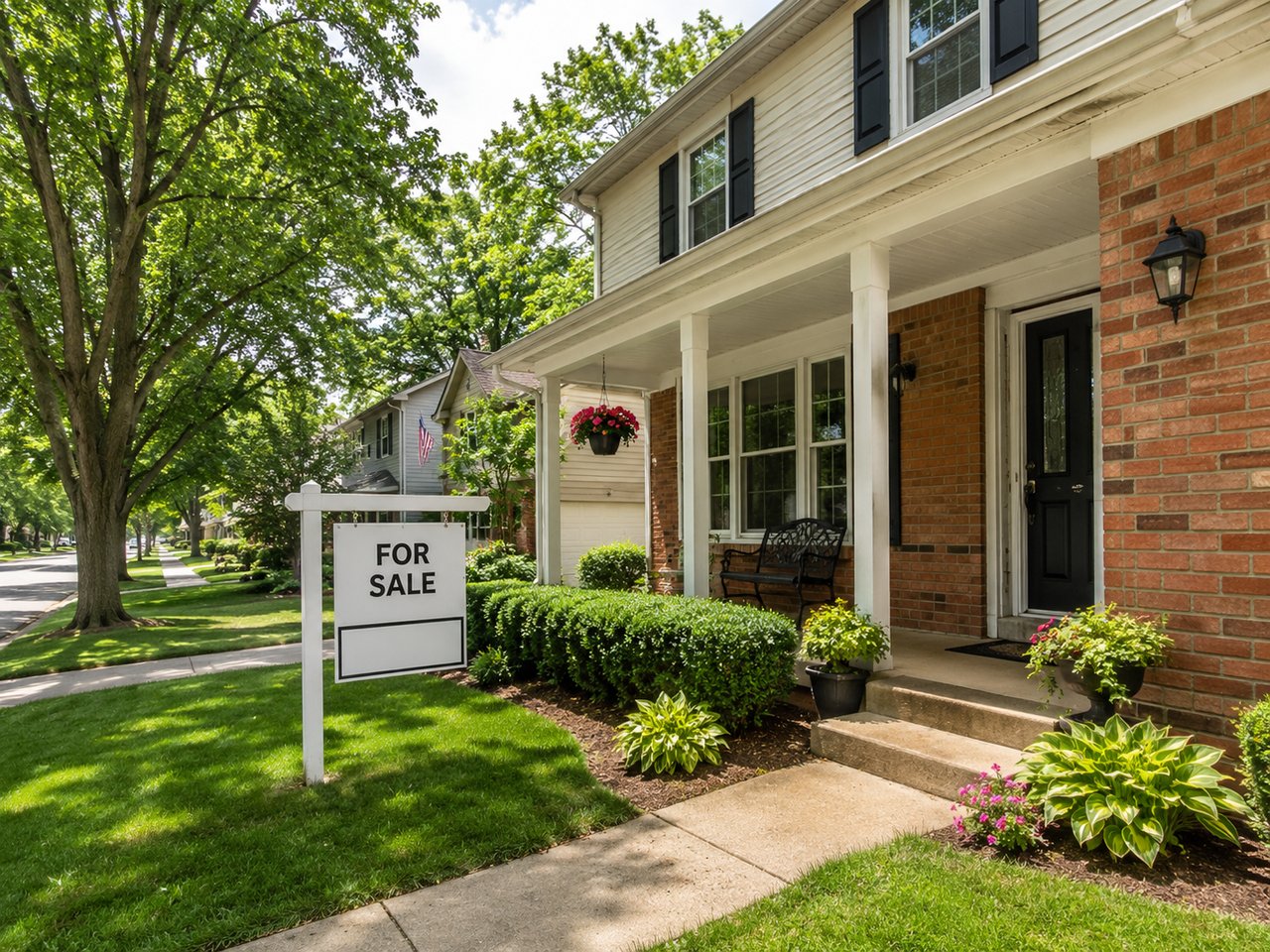
Buyers begin forming an opinion before they walk through the front door.
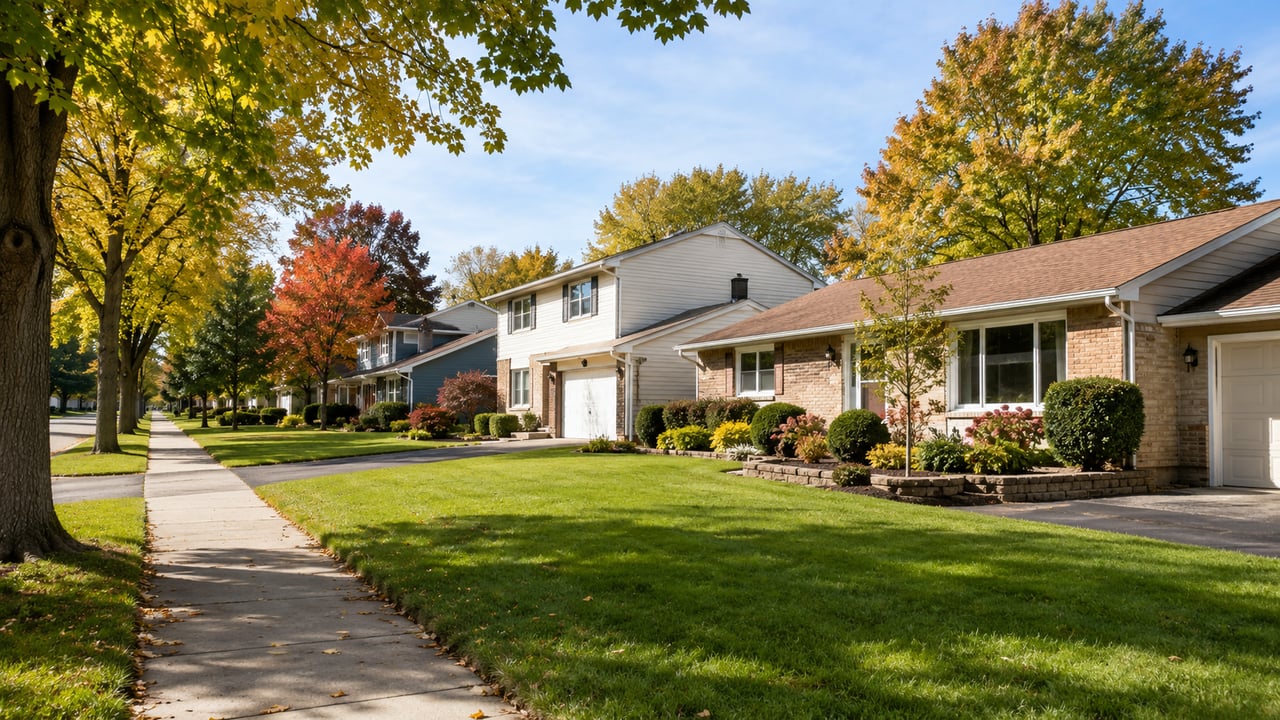
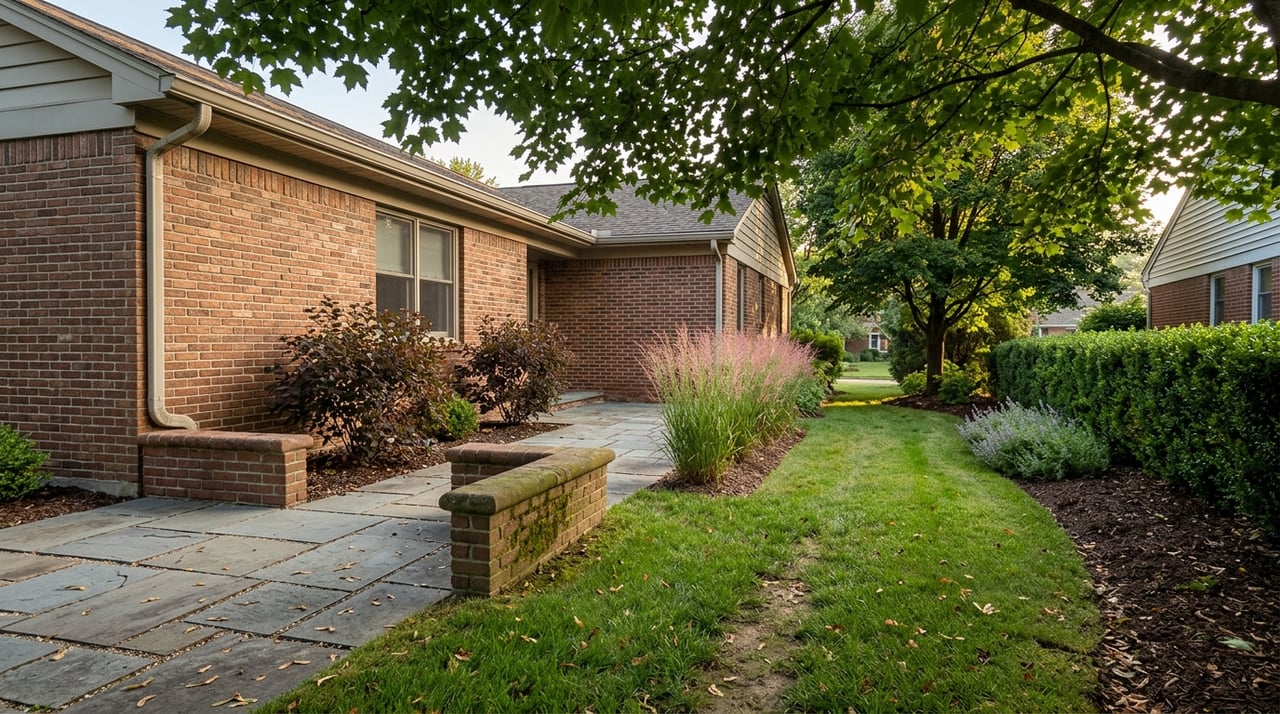
In established Northwest Suburban neighborhoods, mature trees, cared-for lawns, and well-maintained exteriors are common. A home that looks tired from the street may cause buyers to wonder what else has been overlooked.
Curb appeal also affects the quality of the listing photos. A clean, welcoming exterior can encourage more buyers to take a closer look.
Simple updates with a noticeable impact:
- Add fresh mulch to garden beds and around trees
- Trim shrubs, remove weeds, and mow the lawn
- Power-wash siding, walkways, patios, and the driveway when appropriate
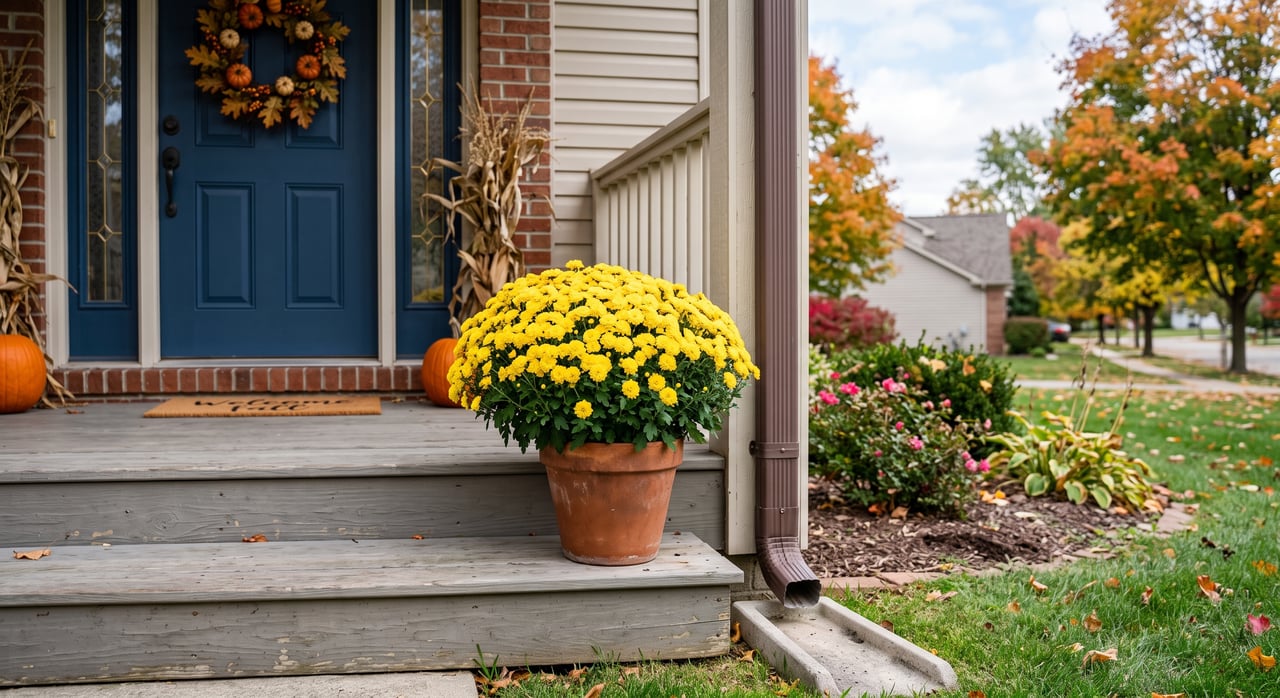
- Clean or repaint the front door
- Replace worn door hardware or dated exterior light fixtures
- Add simple seasonal planters near the entry
What to avoid:
- Large landscaping projects that will not be established before the home is listed
- Highly personal outdoor décor that may distract from the property
The exterior should give buyers the sense that the home has been cared for consistently.
Lighting: An Easy Update That Is Often Overlooked
Lighting affects how every room feels and how it appears in listing photos. It is also one of the easiest areas to improve.
Simple changes that can make a difference:
- Replace dated fixtures in kitchens, dining rooms, entryways, and bathrooms
- Use consistent warm-white LED bulbs throughout the home
- Replace burned-out bulbs before photography and showings
- Add a lamp to rooms that still feel dark with the overhead lights on
- Clean dusty fixtures, shades, and glass covers
Good lighting is especially helpful in older homes with smaller windows and during fall or winter listings, when natural light may be limited.
What Not to Over-Improve
Knowing what not to update is just as important as knowing what to fix.
Over-improving can create two problems. You may spend money that you will not recover, and the finishes may no longer fit the home’s price range or neighborhood.
Areas where sellers sometimes spend too much:
- Luxury finishes in entry-level or mid-priced homes
- Bold, personal design choices that may appeal to a smaller group of buyers
- Complete kitchen or bathroom renovations when cosmetic updates would have been enough
- Finishing a basement without first reviewing comparable homes and local buyer expectations
Before investing in a basement, it is also helpful to understand what Northwest Suburban buyers may look for regarding basement water management.
A thoughtful pre-listing walkthrough should include an honest look at what buyers expect in your neighborhood and price range. It should also identify where your home already meets those expectations, so you do not spend money unnecessarily.
Strategy Matters as Much as the Work
More updates do not automatically lead to a higher sale price.
The strongest results usually come from the right combination of preparation, pricing, photography, marketing, and showing condition.
A thoughtfully prepared home that is priced appropriately for the market may perform better than a heavily renovated home priced around what the seller hopes to recover.
Before spending money, walk through the home with a local real estate professional who understands your neighborhood and price range. That conversation can help you separate the updates that matter from the projects that are unlikely to change the outcome.
For a broader look at the Illinois selling process, this guide to selling a home in Itasca covers disclosures, permits, and closing steps that are relevant across many Northwest Suburban communities.
The Northwest Suburbs comparison guide also explains how buyers may compare nearby communities, housing choices, and local amenities.
Figuring Out What Your Home Actually Needs
Every home is different. The right preparation plan depends on the home’s condition, price range, neighborhood, competition, and the timing of the sale.
If you are considering a move in Chicago’s Northwest Suburbs, I can walk through the home with you and help you create a clear list of what to address, what to leave alone, and what to prioritize first.
You can visit myrealtormari.com, find seller guidance and local market updates on Life in the NW Burbs on YouTube, email [email protected], or schedule a time to talk.
FAQs
Do I need to renovate my home before selling in Chicago’s Northwest Suburbs?
In most cases, a major renovation is not necessary. Buyers often respond well to homes that feel clean, maintained, and ready to move into. Targeted improvements such as paint, floor refinishing, updated lighting, and minor kitchen or bathroom repairs may be more useful than a full renovation.
What home update usually provides the best return before selling?
Fresh paint and hardwood floor refinishing often provide a strong visual return for the cost. Updated lighting, cabinet hardware, clean grout, fresh caulk, and minor repairs can also make the home feel more cared for without requiring a large investment.
Should I update my kitchen before selling in Arlington Heights or a nearby suburb?
It depends on the kitchen’s condition. If it is functional and well maintained, smaller updates such as cabinet paint, new hardware, improved lighting, and minor repairs may be enough. A full renovation is usually worth considering only when the kitchen’s condition is likely to limit buyer interest or affect the home’s value.
Is refinishing hardwood floors worth it before selling?
It often can be. Buyers tend to notice hardwood floors, especially when they are scratched, dull, or discolored. Refinishing may restore their appearance for much less than the cost of replacing them.
What should I avoid renovating before selling?
Be cautious about high-end upgrades that do not fit the home’s price range, highly personal design choices, and major layout changes that require significant time and money. Basement finishing should also be evaluated carefully based on the home, neighborhood, and comparable sales.
How do I know which updates are worth making?
Start with a pre-listing walkthrough before hiring contractors or purchasing materials. A local real estate professional can help identify what buyers are likely to notice, where the home already meets expectations, and which improvements may have the greatest impact.