The buyer’s home inspection usually happens within five business days of an accepted offer in Illinois and takes about two to three hours. The inspector reviews the roof, foundation, electrical system, plumbing, heating and cooling, and other major parts of the home. Most buyers in Northern Illinois also test for radon.
Every inspection finds something. Sellers should expect a list of findings and prepare for a conversation about what happens next, not a perfect report.
Let’s walk through what to expect so inspection week feels more manageable.
Key Takeaways
- Every inspection finds something, even in a well-maintained home. A list of findings is normal, not a crisis.
- Illinois home inspectors are state-licensed, and many buyers also order a radon test.
- In homes built during the 1950s through the 1970s, inspectors often pay close attention to electrical panels, sewer lines, basement moisture, and aging roofs.
- Leave during the inspection, take your pets with you, and make sure the inspector can reach the electrical panel, furnace, water heater, attic, and other mechanical areas.
- You can generally respond to a request in three ways: make the repair, offer a credit, or decline the request.
What Happens During the Buyer’s Inspection?
Within the first few days after the contract is signed, the buyer hires a licensed home inspector and schedules a two- to three-hour visit. The buyer and their real estate agent usually attend.
The inspector reviews the home’s major systems and visible components. This may include the roof and gutters, foundation and structure, electrical system, plumbing, heating and cooling, windows, appliances, attic insulation, and ventilation.
Illinois home inspectors are licensed through the Illinois Department of Financial and Professional Regulation and must follow established standards of practice.
Many buyers in the Northwest Suburbs also add a radon test. A small monitor may remain in the home for about 48 hours while it collects readings. Buyers of older homes may also order a sewer scope.
The buyer will usually receive a detailed report within a day or two. These reports can be dozens of pages long and include photos, notes, and maintenance suggestions. That does not mean every item will become a repair request.
Any formal requests will normally be handled through the attorneys. This is where the inspection period often overlaps with attorney review for Illinois sellers.
How Should You Prepare for Inspection Day?
You cannot change the age or history of your home, but you can make the inspection easier. Some report findings are caused by blocked access, burned-out bulbs, or systems the inspector could not operate.
Here’s how to prepare:
- Clear access to mechanical areas. Make sure there is a clear path to the electrical panel, furnace, water heater, sump pump, crawl space entrance, and attic access. When an inspector cannot reach an area, it may be marked as “unable to inspect.”
- Keep the utilities on. The inspector needs working water, electricity, and gas to test the home’s systems. Leave pilot lights on when applicable.
- Replace simple maintenance items. Change a dirty furnace filter and replace dead smoke or carbon monoxide detector batteries.
- Take care of small repairs. Fix dripping faucets, loose handrails, torn screens, and other minor items you already know about. Small findings can make a report feel longer and more concerning than it really is.
- Gather your records. Leave copies of receipts, permits, warranties, and service records for work such as roof replacement, sewer rodding, furnace maintenance, or waterproofing.
- Leave the home and take your pets. Plan to be away for about three hours. Buyers can ask questions more freely, and the inspector can work without interruptions.
If you completed more extensive preparation before listing, such as the steps in my guide on how to prepare your home for sale, inspection day may simply confirm what you already know about the property.
What Do Inspectors Commonly Find in Northwest Suburban Homes?
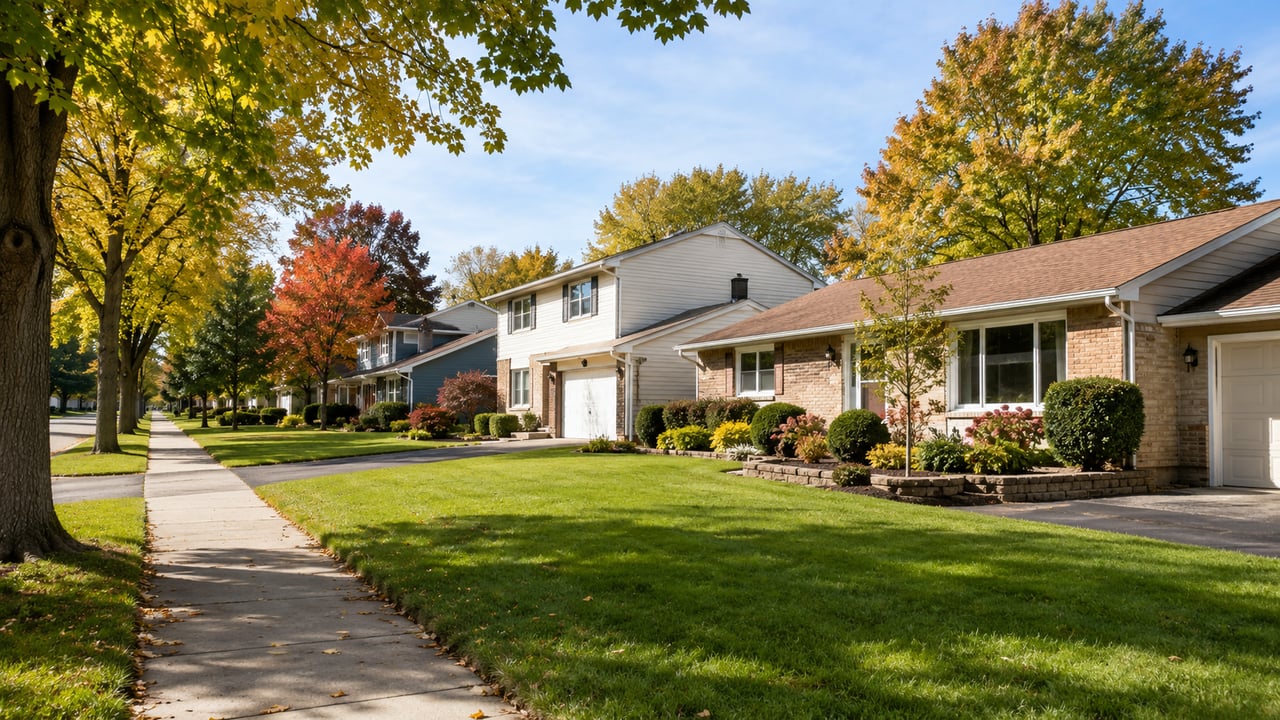
Local housing age matters. Many homes in Arlington Heights, Mount Prospect, Des Plaines, Rolling Meadows, and nearby communities were built between the 1950s and 1970s. Homes from this period often share a few common inspection findings.
Electrical panels. Inspectors may call attention to certain older panel brands, outdated components, or original 60- or 100-amp electrical service. They may also note signs that the home’s electrical demands have grown over time.
Sewer lines. Many older homes have clay sewer lines that may be affected by tree roots, shifting soil, or age. This is why buyers often order a sewer scope. Records showing regular sewer rodding or repairs can be helpful.
Basement moisture. Inspectors look for signs such as efflorescence on foundation walls, staining, grading concerns, cracks, and the condition of the sump pump. Water history may also need to be disclosed under Illinois law.
For more information about older drainage systems, read my guide to overhead sewers and sump pumps in Northwest Suburban homes.
Radon. Elevated radon readings are not unusual in Northern Illinois. The Illinois Emergency Management Agency and Office of Homeland Security provides information about testing, disclosure, and mitigation.
When a test comes back above the recommended action level, the parties may discuss installing a mitigation system or providing a credit toward the cost.
Aging roofs, furnaces, air conditioners, and water heaters. An inspector may note that a system is near the end of its expected life even when it is still working. Age alone does not always mean immediate replacement is necessary, but it can become part of the negotiation.
My home inspection checklist for the Northwest Suburbs provides a closer look at what buyers and inspectors may review.
How Should You Respond to Inspection Requests?
Once the buyer’s attorney sends the request list, take a breath. The first request is the beginning of a negotiation, not necessarily the final agreement.
I usually help sellers sort the requests into three groups:
- Safety and function. This may include gas leaks, active plumbing leaks, electrical hazards, or a furnace that is not working. These concerns deserve careful attention because they may affect the transaction and could require disclosure to a future buyer.
- Older or costly components. An aging roof, an older electrical panel, or an elevated radon result may fall into this category. These items are often negotiable.
- Cosmetic or minor maintenance items. Sticking doors, small cracks, worn finishes, and suggestions to “monitor” something are often treated differently from true defects.
For each request, you can usually choose to make the repair, offer a closing credit, or decline.
Credits are often simpler than repairs. They give the seller a known cost, reduce the need to schedule contractors before closing, and allow the buyer to choose how the work will be completed after they own the home.
Repairs may make more sense when the issue is straightforward, the seller has a trusted contractor, or the lender requires the work to be completed before closing.
Selling without making repairs can also be a reasonable strategy. It works best when the home’s condition is understood, disclosed when required, and reflected in the pricing. My article on making repairs before selling versus selling as-is explains the differences.
What If the Inspection Causes the Deal to Fall Apart?
Most inspection negotiations are resolved, but a contract can still fall apart. When that happens, it helps to focus on what you now know and what you can control.
You may return to the market quickly. When a contract ends early, the home may lose very little market time. A clear explanation and a thoughtful plan for any newly discovered issue can help the next buyer feel more comfortable.
You may have a new disclosure obligation. If the inspection uncovered a material defect you did not previously know about, such as an elevated radon result or a cracked heat exchanger, speak with your attorney about whether the Illinois Residential Real Property Disclosure Report should be updated.
You have more information about the home. The report can help you decide what to repair, disclose, or account for in your pricing before accepting another offer.
Some sellers choose to order a pre-listing inspection before the home goes on the market. This can reduce surprises and give the seller more time to address concerns. It is not necessary for every property, but it may be helpful for an older home or a home with systems whose condition is uncertain.
Frequently Asked Questions
How long does a buyer’s home inspection take?
Most inspections take two to three hours for a typical single-family home. Larger or older homes may take longer. Additional services, such as a sewer scope, can add time. Radon equipment usually remains in the home for about 48 hours.
Should the seller be home during the inspection?
No. Sellers should usually leave and take their pets with them. This allows the buyer to speak openly with the inspector and helps the inspection move along without interruptions.
Do sellers have to fix everything in the inspection report?
No. Inspection requests are negotiable. Sellers may agree to certain repairs, offer a closing credit, or decline some requests. The final agreement often covers only a portion of the items listed in the full report.
Is radon testing required when selling a home in Illinois?
Radon testing is not generally required as part of a home sale, but it is common in Northern Illinois. Illinois sellers are required to provide buyers with the appropriate radon disclosure and informational materials. Speak with your attorney about the requirements for your transaction.
Can a buyer cancel after the inspection in Illinois?
A buyer may have the right to cancel based on the inspection provisions and deadlines in the contract. The exact options depend on the contract language, attorney review, and the timing of the buyer’s notice. Your attorney can explain how those terms apply to your transaction.
Should I get a pre-listing inspection before selling?
A pre-listing inspection can help an owner of an older home learn what a buyer may find and make more informed decisions about repairs, disclosures, and pricing. Keep in mind that discovering a material defect may create a disclosure obligation.
What Would an Inspector Find in Your Home?
Before many of my sellers list, I walk through the home with them and look at it through a buyer’s eyes. We identify concerns that may show up during an inspection and decide what is worth addressing before the home reaches the market.
This does not guarantee a perfect report. It does help reduce surprises and gives you time to make thoughtful decisions instead of rushed ones.
If you are thinking about selling in Arlington Heights, Mount Prospect, Des Plaines, or another Northwest Suburban community, you can schedule a time to talk or visit MyRealtorMari.com.
You can also find local real estate and community videos on Life in the NW Burbs or email me at [email protected].