Selling a home in Chicago’s Northwest Suburbs involves more than choosing a list price and putting a sign in the yard. Homeowners often underestimate the time needed to prepare, the difference between the sale price and their estimated proceeds, and the work involved in disclosures, showings, and closing. A clear plan can make those decisions easier to manage.
Key Takeaways
- Preparing a home for sale may take longer than expected, especially when repairs, paperwork, or a move are involved.
- The sale price is not the same as the amount a seller receives at closing.
- Not every repair or update is worth doing before listing.
- Illinois disclosure requirements and federal lead-based paint rules may apply.
- Showings and an accepted offer can affect your schedule before the sale is complete.
- Planning for the next home or living arrangement is part of preparing to sell.
What should sellers plan before listing a home in the NW Suburbs?
Start with the decisions that affect your timing and finances: what needs attention, what you can spend, when you hope to move, and what you need to do after the sale. In communities such as Arlington Heights, Buffalo Grove, Wheeling, Palatine, Mount Prospect, and Rolling Meadows, the right plan depends on the home, its condition, and your next step.
A useful listing plan does not begin with a long renovation list. It begins with a conversation about your goals and the home’s likely buyers, competing listings, and condition. From there, you can decide what to address, what to leave, and how much preparation fits your budget and timeline.
How much time does it take to get a home ready to sell?
Often more time than sellers expect. Sorting, cleaning, gathering records, arranging repairs, and coordinating photography can each take time, especially when they are happening alongside work, caregiving, or planning a move.
Before you set a listing date, walk through the home with a written preparation list. Separate items into three groups:
- Must address: Safety concerns, active leaks, or issues that may affect a buyer’s ability to understand the home.
- Worth considering: Repairs or presentation changes that could make the home easier to show.
- Can stay as is: Items that are functional and unlikely to justify the time or expense of changing them.
I recommend making these decisions before hiring contractors or buying materials. A plan helps you spend your time and money on the work most likely to matter.
Should you repair or update everything before listing?
No. The goal is not to make every home look new. It is to present the home clearly, address important concerns, and avoid spending money on changes that may not improve the sale.
A fresh coat of paint, a deep cleaning, or a small repair may help a home show well. A large renovation may take more time and money than the market or your timeline supports. Before starting work, compare the cost, the condition of similar homes, and how buyers are likely to view the item.
For a Palatine-specific preparation guide, read Preparing Your Palatine Home for Sale.
Is the sale price the amount the seller receives?
No. Your estimated proceeds depend on the sale price and the costs and payoffs connected with the transaction. Depending on the home and the contract, these may include a mortgage payoff, agreed brokerage compensation, title or attorney costs, tax prorations, repairs, and any credits negotiated with the buyer.
Ask for an estimated seller net sheet before making plans based on a possible sale price. It is an estimate, not a guaranteed closing figure, but it can help you compare options and budget for the next move. For pricing context, see How to Price Your Home to Sell in the NW Chicago Suburbs.
Also consider whether you need the sale proceeds to purchase your next home, pay off debt, or cover moving expenses. If tax questions may affect your plans, consult a qualified tax professional.
What paperwork should Illinois home sellers gather?
Start gathering records before the home goes on the market. Useful items may include repair receipts, permits, warranties, appliance information, survey documents, and records about past water or system issues.
Illinois law requires sellers in covered residential transactions to complete and deliver a Residential Real Property Disclosure Report before the buyer signs a contract. The law has exemptions, and sellers may have a continuing duty to supplement a disclosure if they learn of an error or omission before closing. Review the Illinois Residential Real Property Disclosure Act and ask your real estate and legal professionals about your situation.
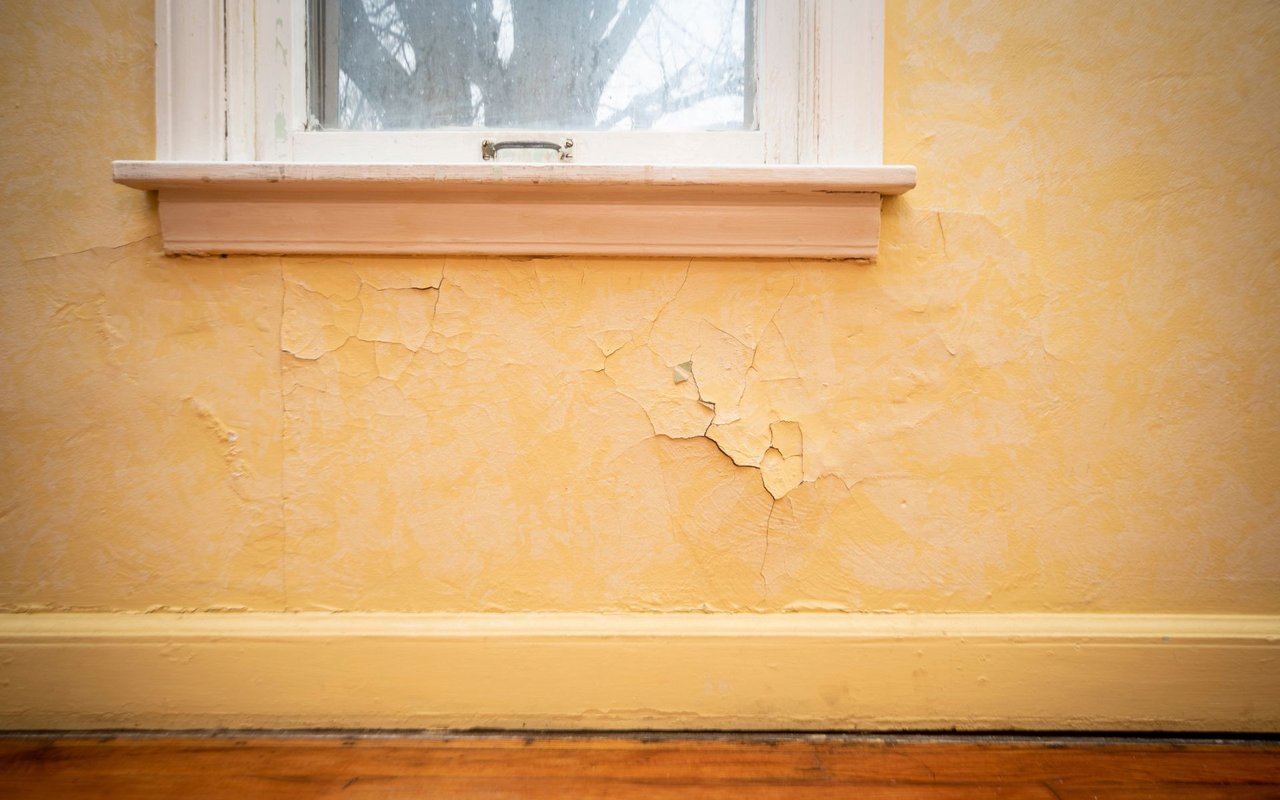
If the home was built before 1978, federal lead-based paint disclosure requirements may apply. The EPA explains the requirements for sellers of homes with lead-based paint or lead hazards.
The disclosure process can bring up old repairs or questions you have not thought about in years. Take time to review each form carefully, answer based on what you know, and ask your attorney or real estate professional when you are unsure.
How do showings affect daily life?
Showings can require more flexibility than many sellers expect. You may need to tidy the home, secure valuables and private documents, manage pets, and adjust your plans when a showing request comes in.
Before listing, agree on showing hours and notice expectations with your agent. Make a simple routine for leaving the home ready to show. If you work from home or have a busy household schedule, talk through those needs early so the plan is realistic.
The home also needs to be ready for photography and online marketing. That does not mean stripping away every sign of daily life. It means helping buyers see the home’s features and understand its layout.
Does an accepted offer mean the sale is finished?
No. An accepted offer starts the contract period. The transaction may still involve attorney review, inspections, financing, appraisal, title work, and other contract requirements before closing.
A buyer may ask questions or negotiate after an inspection. A lender may need additional documents. Your closing date and responsibilities will depend on the signed contract and the details of the transaction.
That is why it helps to keep records organized and avoid making major moving plans based only on an accepted offer. Your attorney and real estate professionals can explain the next steps as they come up.
What do sellers often forget about the move itself?
They focus on getting the home ready for buyers and leave too little time to plan where they will go next. If you are buying another home, downsizing, relocating, or handling a major life change, your timeline may depend on more than the listing date.
Think through:
- Where you will live if the sale and next move do not line up exactly.
- Which belongings need to be packed, donated, stored, or moved first.
- What documents, medications, valuables, and essentials should stay accessible.
- Whether you need time to coordinate with family members, attorneys, lenders, or other professionals.
You do not need every detail settled before you talk with a real estate professional. But naming the open questions early can help you build a more workable plan.
What is the best first step before listing?
Set a planning appointment before making major repairs or choosing a list date. Review the home, your goals, likely preparation needs, estimated costs, and possible timing together. Then you can decide what to do first and what can wait.
Selling can feel like a lot of decisions at once. A clear sequence helps: understand the home, make a preparation plan, review the numbers, and coordinate the move.
Thinking About Listing?
You do not need to have every decision made before you start planning. If you are weighing repairs, timing, or what a sale might mean for your next move, book a conversation with Mari. You can bring the questions you have and work through the next steps one at a time.
Questions Sellers Ask Before Listing
How long should I prepare before listing my home?
There is no single timeline that fits every home. The time needed depends on the home’s condition, the amount of sorting or repair involved, and your schedule. Make a preparation list before choosing a target date so you can see which tasks may affect timing.
Do I need to renovate before selling?
Usually, a full renovation is not the first step. Focus on safety, visible maintenance, and presentation, then compare the cost of larger work with your budget and goals. A property-specific review can help you decide which projects are worth considering and which can stay as they are.
What costs should I include when estimating my proceeds?
Consider the mortgage payoff and transaction costs that may apply to your sale, such as agreed compensation, title or attorney expenses, tax prorations, repairs, or buyer credits. The exact items depend on your contract and circumstances. Ask for an estimated seller net sheet before relying on a sale-price estimate.
What disclosures do Illinois home sellers need to make?
For covered residential transactions, Illinois law requires a seller to provide a Residential Real Property Disclosure Report before the buyer signs a contract. Exemptions apply, and federal lead-based paint disclosure rules may apply to most homes built before 1978. Ask your attorney about your specific situation.
Should I make moving plans as soon as I accept an offer?
An accepted offer does not mean the sale has closed. Contract steps may still include inspections, financing, appraisal, and title work. Coordinate major plans with your attorney and real estate professionals, and keep a backup plan for timing if your sale and next move do not line up exactly.
What should I do first if I am thinking about selling?
Start with a planning conversation about your goals, the home’s condition, possible preparation, estimated proceeds, and your next move. That gives you a clearer basis for deciding what to do now and what can wait.