When you’re preparing an older home for sale in Chicago’s Northwest Suburbs, start with issues that affect safety, function, moisture, or buyer confidence. A dated kitchen or older furnace does not automatically need replacing. Focus your time and money on the repairs most likely to matter, then let the home’s condition and price tell the rest of the story.
Key Takeaways
- Fix active leaks, safety concerns, broken systems, and obvious damage before taking on cosmetic projects.
- An older but working furnace, roof, water heater, kitchen, or bathroom may be better left in place.
- Major renovations can cost more and take longer than expected, and buyers may not value your finish choices the way you do.
- In a pre-1978 home, get lead-safe guidance before disturbing painted surfaces.
- “As-is” does not mean hiding a known material defect. Talk with your Illinois real estate attorney about disclosure questions.
Many Northwest Suburban homes have been updated over time, while others still have older kitchens, bathrooms, windows, or mechanical systems. That does not make a home unsellable. The useful question is not, “How can I make everything new?” It is, “Which work will make a meaningful difference for this home, my timeline, and the buyers comparing it with other options?”
Which repairs should I make before selling an older home?
Start with problems that could make a buyer question the home’s condition, affect basic use, or create a safety concern. Address the source of a problem before covering up its visible signs.
Find and address water or moisture problems
Active plumbing or roof leaks, dampness, seepage, standing water, and water stains with an unknown source deserve early attention. A fresh coat of paint over a stain will not solve the concern if water is still getting in.
Have the right professional investigate the source. Once the issue is understood and addressed, you can decide what repair or cleanup makes sense. Keep invoices, service notes, and other records together for your sale file.
Take care of safety and basic-function issues
Loose railings, unstable steps, exposed or damaged wiring, missing outlet covers, broken locks, and fixtures that do not work are worth a closer look. A qualified professional should handle electrical, structural, and other safety-related work.
Also check the everyday things buyers may try during a showing: doors and windows that stick, toilets that run, faucets that drip, drawers that do not open, or flooring that is loose. These repairs are often more useful than replacing a room that already works.
Repair visible damage that distracts from the home
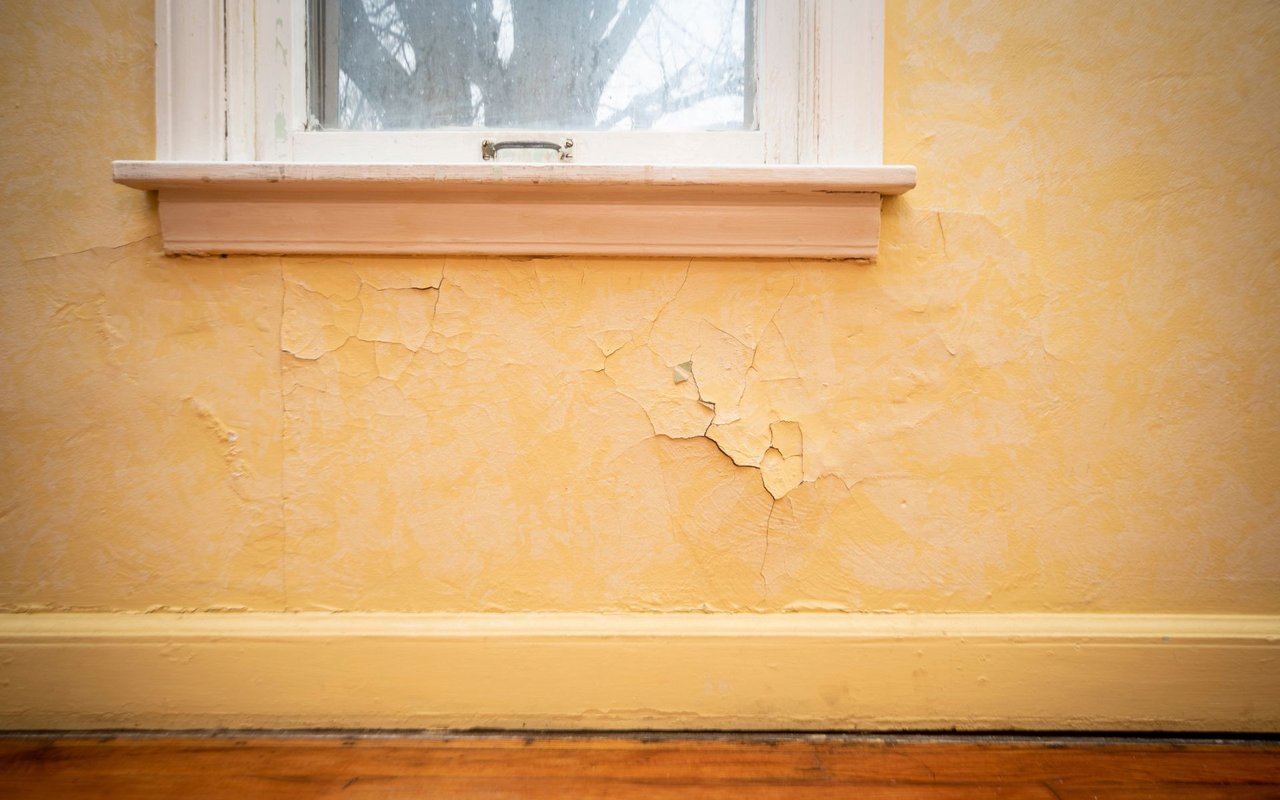
Broken windows, holes in walls, torn carpet, damaged flooring transitions, missing shingles, clogged gutters, rotted wood, or peeling exterior paint can draw attention away from a home’s strengths. You may not need to replace everything. Repair the damaged areas that are most noticeable and clean up the rest.
Small details can add up. A few loose handles or burned-out bulbs may be easy to fix, but a long list of unfinished items can leave buyers wondering what else has been put off.
Service a system before deciding to replace it
An older furnace, air conditioner, roof, or water heater is not automatically a failed one. If it is working, learn about its condition before committing to a costly replacement. A service visit, available maintenance records, and a clear understanding of any known issues can help you make a better decision.
If a system is not working properly, get advice from a qualified contractor. The goal is to understand the problem, not to assume that the newest replacement is the only acceptable answer.
Which projects can sellers usually leave alone?
You can often leave dated but clean, functional spaces for the next owner. Large projects are usually poor last-minute choices when the home works as it is, the work could delay your sale, or nearby comparable homes do not support the added cost.
Skip a full kitchen or bathroom remodel unless the numbers support it
A well-kept kitchen can still be appealing without a recent renovation. A dated bathroom is not the same as a bathroom with active leaks or serious damage. Cleaning, fixing what is broken, refreshing caulk, or updating a few worn details may be enough.
A full remodel brings decisions, contractor coordination, possible delays, and the chance of unexpected work. You may also choose finishes that a future buyer would change. Before starting, compare the likely benefit with the cost, time, and disruption. For more on the choices between focused repairs and an as-is sale, read Should You Make Repairs Before Selling or Sell As-Is?
Do not replace working systems just because they are old
Age can raise questions, but it is not a diagnosis. Replacing a working furnace or water heater may not change the sale enough to justify the cost. Find out how the system is operating, gather any maintenance records, and consider how the home will be priced and presented.
Leave highly personal upgrades and large additions for another plan
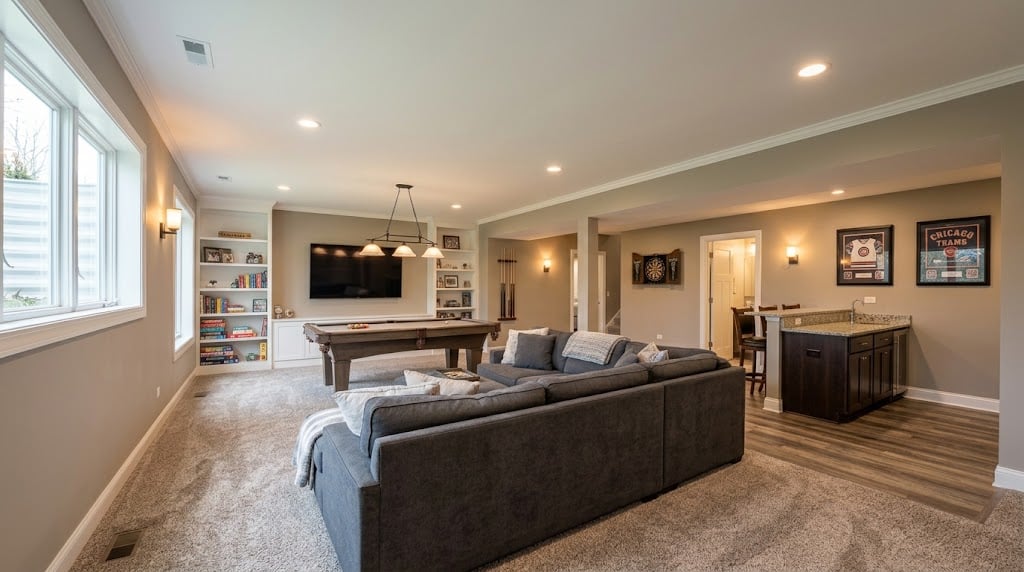
Bold finishes, custom built-ins, elaborate landscaping, specialty rooms, basement finishing, additions, and major layout changes can be hard to complete well on a short timeline. They can also require permits and professional review. Avoid beginning a large project just because you assume every buyer wants the same update.
An unfinished project can be more distracting than a dated but usable room. If there is not enough time or budget to finish the work properly, pause and discuss the options before you begin.
How can I decide whether a repair is worth the cost?
Before spending money, walk through the home with these five questions. If the answers are mixed, get local advice before making a commitment.
- Will buyers notice it right away? Consider what they see or use in the first few minutes, such as stained carpet, damaged walls, strong odors, broken fixtures, or an unkempt entrance.
- Could it affect safety, financing, or insurance? Ask a qualified professional when the issue involves safety, a major system, or a property condition you do not understand.
- Will fixing it improve the overall impression? A useful project should make a room or the home feel meaningfully better, not just change a small detail no one is likely to notice.
- Can it be completed properly before listing? Check contractor availability, materials, permits, and the chance of additional work before setting your timeline.
- Is the likely benefit worth the cost and disruption? Count your time, decisions, coordination, and inconvenience along with the contractor’s estimate.
My guiding principle is simple: repair what could undermine confidence, improve what will strengthen the home’s presentation, and skip projects that are unlikely to make a meaningful difference.
What should I know before renovating a pre-1978 home?
If your home was built before 1978, lead-based paint may be present. Before sanding, scraping, or otherwise disturbing painted surfaces, review the U.S. Environmental Protection Agency’s lead-safe renovation guidance for homeowners and confirm whether the work requires an EPA-certified renovation firm. Do not turn a small paint project into a health concern by rushing the preparation.
For older homes, it is also wise to use qualified professionals for work involving wiring, structure, roofing, plumbing, or materials you cannot identify. The right next step may be an evaluation, not a renovation.
Does selling as-is mean I can skip repairs and disclosures?
“As-is” describes the seller’s repair position; it does not make it okay to hide a known material defect. Illinois’ Residential Real Property Disclosure Act sets out disclosure requirements for covered sales. The details can depend on the property and transaction, so ask your Illinois real estate attorney about your obligations and how to handle a condition you know about.
If the home needs more work than you can reasonably take on, an as-is strategy may still be worth discussing. The right approach depends on the home’s condition, expected price, timeline, and the buyers likely to consider it. The guide to preparing a home for sale in Arlington Heights offers more ideas for cleaning, small repairs, and presentation.
How does this advice apply across Chicago’s Northwest Suburbs?
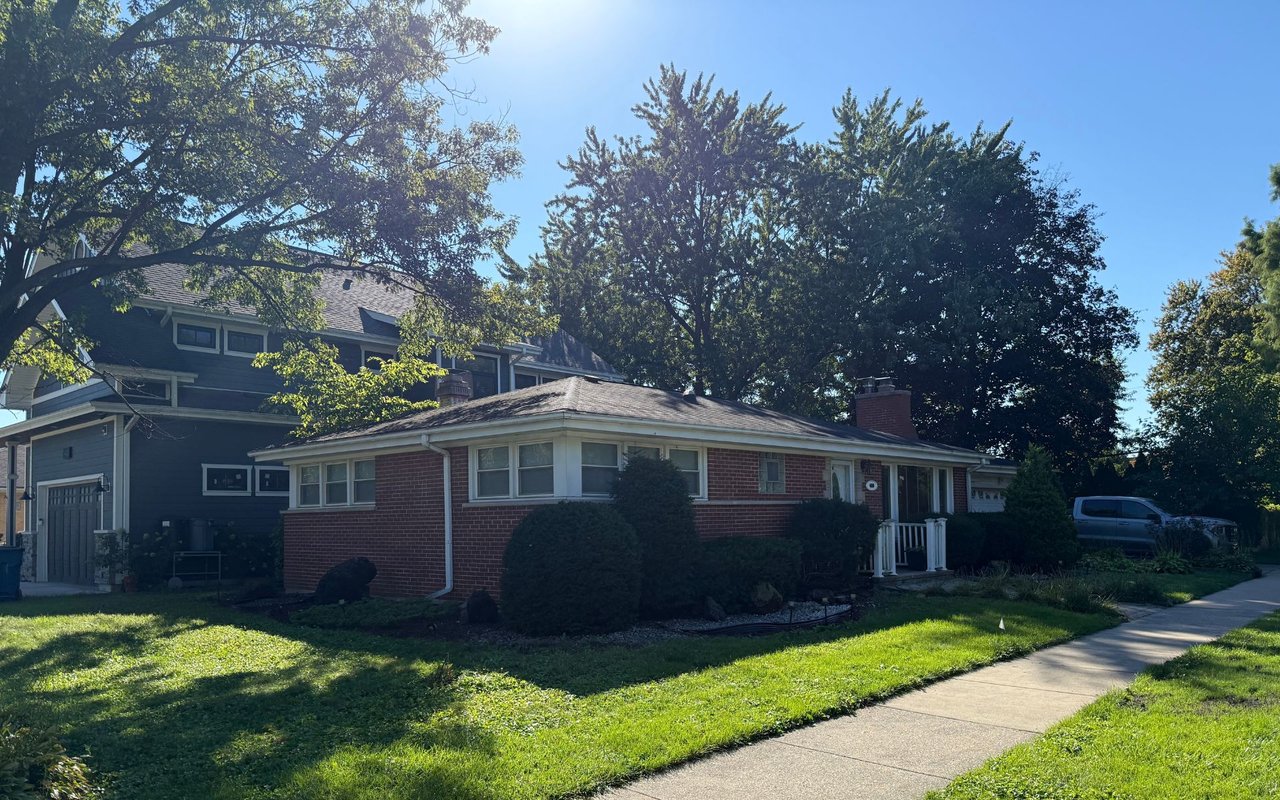
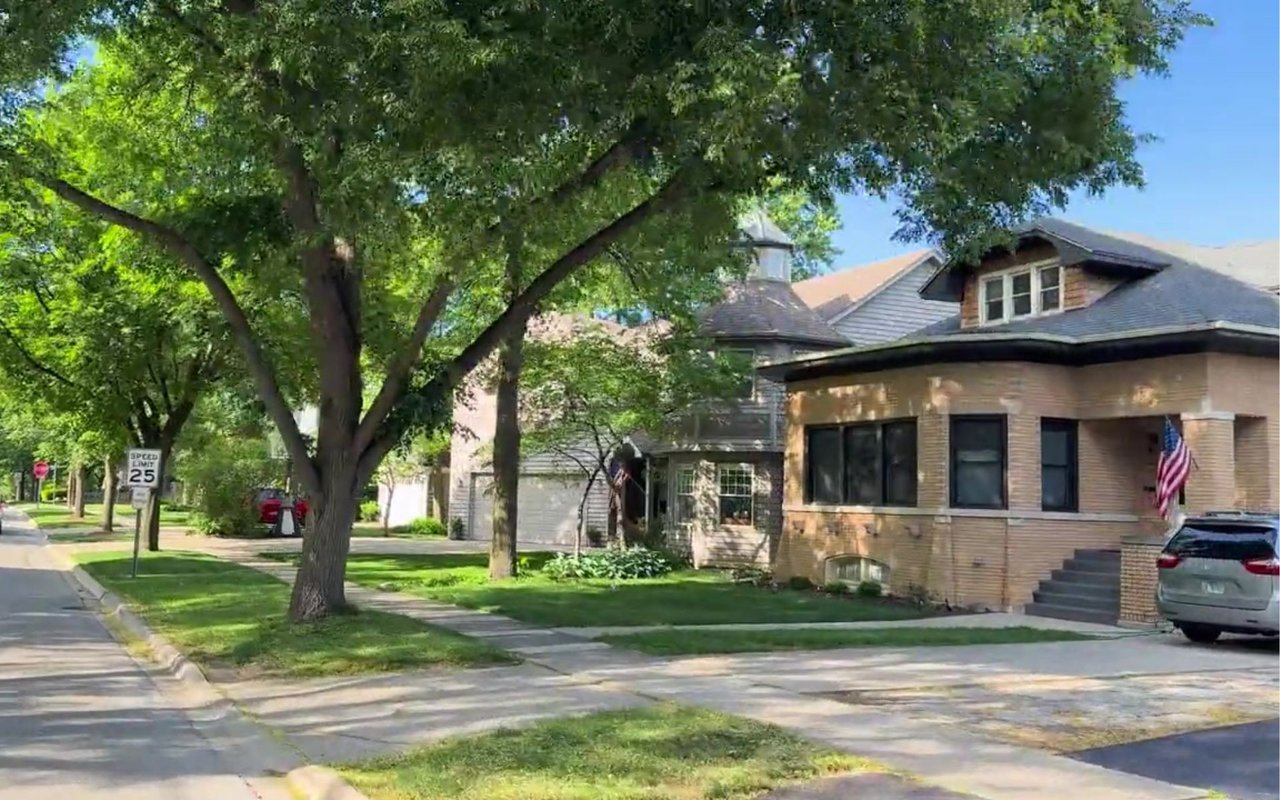
There is no single repair list for every older home in Arlington Heights, Buffalo Grove, Wheeling, Palatine, Mount Prospect, Rolling Meadows, or nearby communities. Buyers compare your home with similar options in its price range, and the right plan depends on the property’s condition, location, competition, and timing.
A clean, maintained home with older finishes may call for a few focused repairs. A home with unresolved water issues or safety concerns needs a different first step. A property with many projects and a short timeline may be better served by a simple plan, honest pricing, and a clear discussion of its current condition.
Before you hire contractors, walk through the home with someone who understands the local market. A practical list can help you protect your budget and energy while preparing the home for its next chapter.
Frequently Asked Questions
Should I replace an old furnace before selling my house?
Not automatically. If the furnace works, first learn about its condition and gather service records. If it is not working properly, ask a qualified contractor what is needed. Then weigh the cost against your timeline, pricing plan, and the home’s competition.
Should I remodel my kitchen before selling an older home?
Usually, not without reviewing the home and local competition first. If the kitchen is clean and functional, a full remodel may add cost and delay without a clear benefit. Fix what is broken and consider smaller improvements before taking on a major renovation.
What repairs matter most to buyers?
Start with active water problems, safety concerns, systems that do not work, and visible damage that makes the home feel poorly maintained. After those are understood, consider small, noticeable improvements such as repairing loose flooring, touching up damaged walls, or cleaning up the entrance.
Can I sell my Illinois home as-is if it needs repairs?
Many homes are sold as-is, but that does not mean a seller can conceal known material defects. Illinois disclosure rules apply to covered transactions. Review your specific obligations with your real estate attorney and discuss how the home’s condition should be reflected in the sale strategy.
Do I need to test for lead before painting an older home?
If the home was built before 1978, lead-based paint may be present. Before sanding, scraping, or disturbing painted surfaces, review EPA guidance and confirm whether the project requires a certified renovation firm. Use lead-safe practices and qualified help where required.
Make a repair plan that fits your home and your life
You do not have to make every room new before you sell. A thoughtful plan can help you focus on what matters, leave reasonable projects for the next owner, and avoid work that adds stress without a clear payoff.
If you are weighing repairs for an older home in the Northwest Suburbs, schedule a no-pressure conversation with Mari. You can also visit MyRealtorMari.com for local seller guidance.
This article offers general real estate information and is not legal, construction, tax, insurance, or financial advice. Consult the appropriate qualified professional about your home and situation.