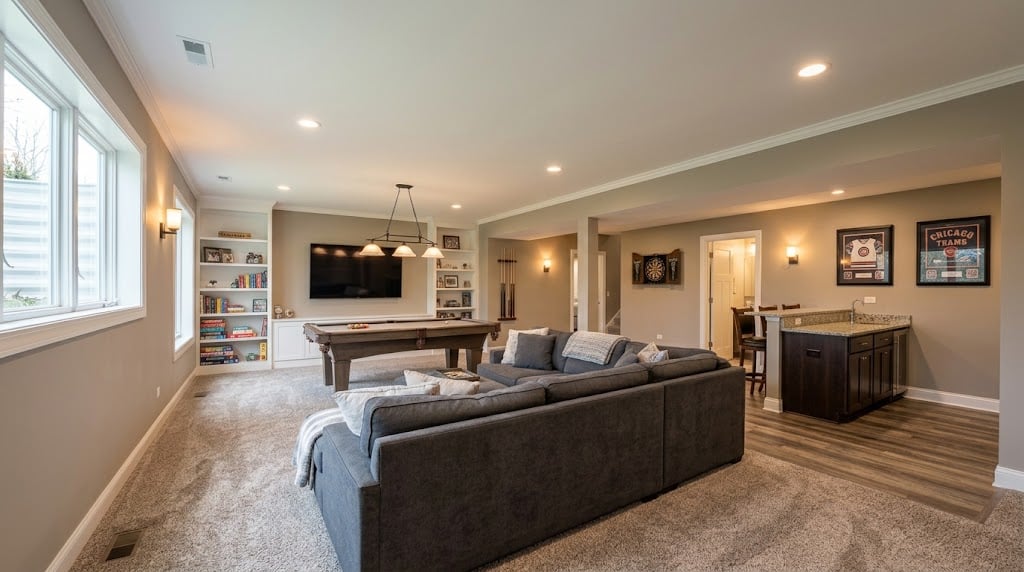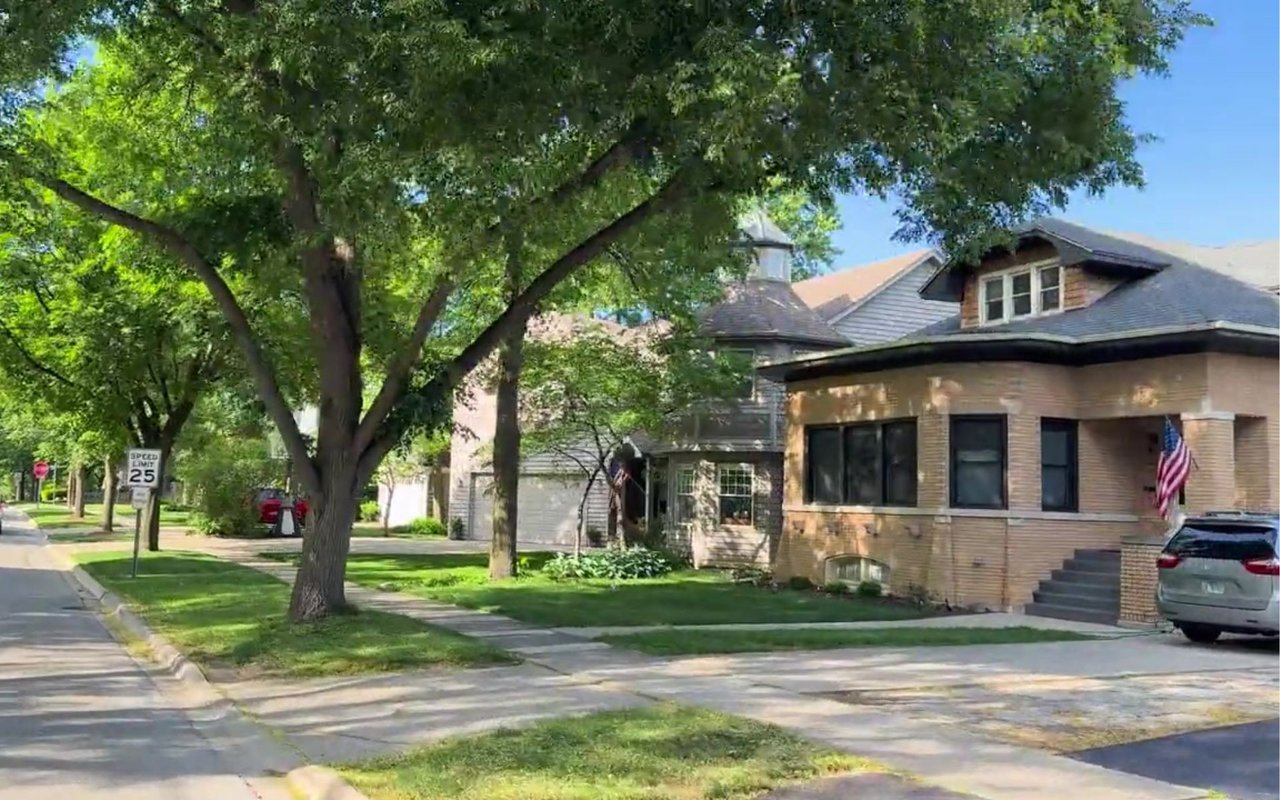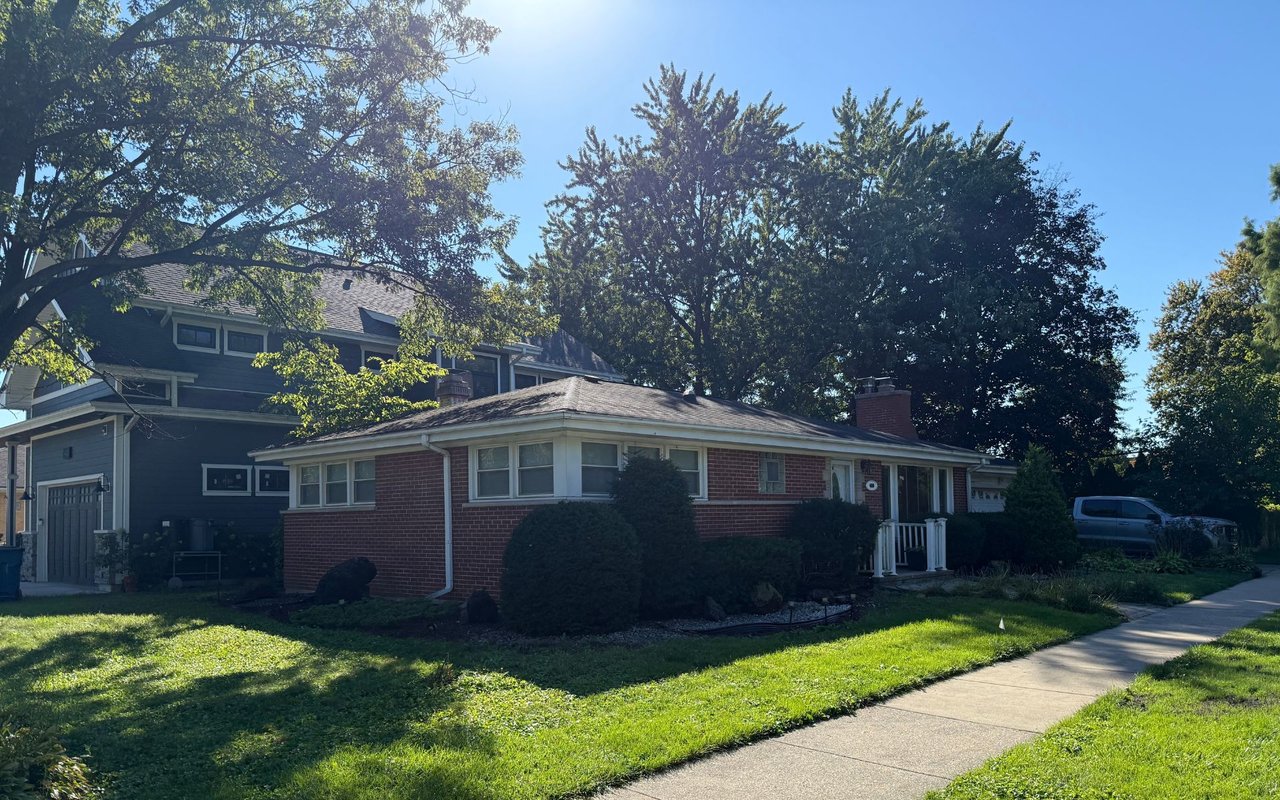
Right-sizing your home in Mount Prospect means choosing a space that fits your life now and supports the years ahead. The best move may offer less maintenance, fewer stairs, a more useful layout, or better access to transportation and community services. A clear budget and an early, phased plan can make the transition feel manageable.
Key Takeaways
- Right-sizing is about finding a better fit, not automatically choosing the smallest home.
- Mount Prospect offers detached homes, condominiums, townhomes, and rentals, but the best choice depends on layout, location, monthly cost, and future needs.
- U.S. Census Bureau estimates show that 18.7% of Mount Prospect residents are age 65 or older, and 68.7% of occupied housing units are owner-occupied.
- The Census Bureau reports a median owner-occupied home value of $397,400 for 2020–2024. That community-wide figure is context, not an estimate of any individual home’s value.
- Budget for property taxes, insurance, HOA dues, utilities, maintenance, parking, storage, and moving costs, not only the purchase price.
- Starting 12 months or more before a move creates more time for financial planning, sorting, repairs, and housing decisions.
- Mount Prospect Human Services offers senior services and social-work support that may help residents remain connected and independent.
What Does Right-Sizing Mean?
Right-sizing means choosing a home that matches the way you live now. It may be smaller, but square footage is only one part of the decision.
For one homeowner, the right move may be from a two-story house to a ranch. For another, it may be a condominium near downtown Mount Prospect, a townhome with less exterior upkeep, or a smaller detached home with a first-floor bedroom. Some people decide that their current home can still work after a few thoughtful changes.
The goal is to reduce the parts of homeownership that feel burdensome while protecting the space, privacy, location, and routines that still matter to you.
Is Mount Prospect a Good Place to Right-Size?
Mount Prospect can be a strong right-sizing option for people who want to remain in the Northwest Suburbs while changing the type of home they maintain. The community includes older ranches and split-levels, traditional two-story homes, condominiums, townhomes, and rental options, with different tradeoffs in layout, upkeep, and monthly cost.
According to the U.S. Census Bureau, Mount Prospect had an estimated 55,395 residents as of July 1, 2025. Its 2020–2024 estimates show that 18.7% of residents were age 65 or older and the owner-occupied housing rate was 68.7%. Those figures help explain why aging in place, housing flexibility, and services for older adults are meaningful local topics.
If you are comparing daily life as well as housing, start with what it is like to live in Mount Prospect, Illinois.
Which Mount Prospect Housing Options May Fit a Right-Sizing Move?
The best housing type is the one that solves your most important daily-life concerns without creating a new financial or maintenance burden. In Mount Prospect, that may mean comparing several types of homes instead of assuming a condo is the only right-sizing choice.
A Smaller Detached Home
A ranch, compact two-story, or smaller split-level may preserve privacy, outdoor space, and control over maintenance. The tradeoff is that you still own the exterior, yard, roof, driveway, and major systems.
A Condominium
A condo may reduce exterior work and offer elevator access or a more convenient location. Review the association budget, reserves, insurance responsibilities, rules, planned projects, recent meeting minutes, and any special assessments. Lower maintenance does not always mean lower total cost.
A Townhome
A townhome may offer a middle ground between detached and condominium living. Pay close attention to stairs, bedroom and bathroom placement, snow and lawn responsibilities, and exactly what the association fee covers.
A Rental
Renting can create flexibility and move some repair responsibility to the property owner. It can also be useful when someone wants time to learn what feels right before buying again. Lease terms, rent increases, pet rules, parking, storage, and accessibility still need careful review.
Which Mount Prospect Location Fits Your Daily Life?
Choose the location by working backward from your normal week. A home near downtown and the Mount Prospect Metra station may support train access, dining, errands, and a more walkable routine. A quieter residential area may offer more space, easier guest parking, or a familiar neighborhood feel.
Make a short list of the places you use most: family, doctors, grocery stores, faith community, parks, volunteer activities, and transportation. Then test possible homes against that list at the times you would actually travel.
For a closer look at local areas and housing patterns, use the Mount Prospect neighborhood guide. If train access matters, review the guide to commuting from Mount Prospect to Chicago and verify current schedules and parking details before making a decision.
What Should You Budget for When Right-Sizing?
Budget for the full monthly and one-time cost of the move. A lower purchase price or smaller home does not automatically produce a lower monthly payment.
- Mortgage payment, if any
- Property taxes
- Homeowners or condominium insurance
- HOA dues and possible special assessments
- Utilities
- Interior and exterior maintenance
- Parking and storage fees
- Moving, clean-out, donation, and disposal costs
- Repairs or preparation for the current home
- Attorney, lender, title, inspection, and other closing expenses
The Census Bureau reports a $397,400 median value for owner-occupied homes in Mount Prospect and median selected monthly owner costs of $2,619 with a mortgage and $1,046 without a mortgage for 2020–2024. These are broad community estimates. Your actual costs will depend on the specific property, financing, taxes, insurance, and association.
Build a side-by-side worksheet for the current home and each option you are considering. Include the less visible expenses, then review closing costs in Illinois before setting your final cash plan.
Can Cook County Property Tax Exemptions Help?
Some qualifying homeowners age 65 or older may be eligible for the Cook County Senior Citizen Homestead Exemption or the Low-Income Senior Citizens Assessment Freeze Homestead Exemption. These programs have separate eligibility, income, filing, and renewal rules.
Check current requirements directly with the Cook County Assessor before relying on an exemption in your budget. Also confirm how an existing exemption will be handled when you sell one home and purchase another, because exemptions do not simply follow a homeowner without the required application process.
Which Accessibility Features Matter Most?
The most useful accessibility features are the ones that make everyday movement safer and easier now while giving you flexibility later. Look beyond finishes and study how the home works from the driveway to the bedroom.
- A step-free or low-step entry
- A bedroom and full bathroom on the main level
- Elevator access in a multi-unit building
- Comfortable stair width and secure handrails
- Good lighting at entries, stairs, halls, and work areas
- Doorways and halls that allow easy movement
- A bathroom that could accept grab bars or other safety updates
- Laundry that does not require repeated stair use
- Covered or nearby parking
- Manageable distance to trash, mail, storage, and building exits
Tour the home with groceries, laundry, guests, winter weather, and a temporary injury in mind. A layout that feels fine during a short showing may feel very different when repeated every day.
Should You Modify Your Current Home Instead of Moving?
Staying may be the better choice when the location, support network, and core layout still work and a focused set of improvements can reduce the strain. Compare the cost and disruption of modifications with the full financial and emotional cost of moving.
Possible changes include improved lighting, safer flooring, railings, a first-floor laundry area, bathroom updates, easier storage, or paid help with lawn care and snow removal. Structural work and changes to plumbing, electrical systems, entrances, or room use may require permits. Confirm requirements with the Village of Mount Prospect before work begins.
Moving may make more sense when the home has several problems that cannot be solved easily, such as unavoidable stairs, extensive exterior upkeep, too much unused space, or a location that no longer supports daily life.
How Early Should You Start Planning?
Starting 12 months or more before your preferred move can lower the pressure. A phased timeline gives you room to make financial, housing, and belongings decisions in the right order.
Twelve Months or More Before the Move
Define why you are considering a move. List what must improve, what you want to preserve, and what could wait. Review your budget, talk with family or trusted advisers, and get a realistic opinion of your current home’s condition and likely market position.
Six to Twelve Months Before the Move
Explore housing types and locations. Tour a few representative properties even if you are not ready to buy. Measure important furniture, review association documents when available, and begin sorting the least emotional areas of the home.
Three to Six Months Before the Move
Choose the likely sequence for selling and buying. Decide which repairs or preparation tasks are worth doing, line up legal and financial guidance, and gather documents related to the home, mortgage, taxes, warranties, and improvements.
The Final Stretch
Coordinate listing preparation, movers, packing, donations, disposal, utility changes, and closing details. Keep medications, important documents, valuables, keys, chargers, and first-night essentials with you instead of placing them on the moving truck.
How Do You Declutter a Longtime Home Without Becoming Overwhelmed?
Start with small, specific decisions and let the next home guide what you keep. Trying to clear an entire house at once usually creates fatigue and stalls progress.
Use five categories: keep, give to family, donate, sell, and recycle or discard. Work one drawer, shelf, or type of item at a time. Set a short work period and stop before you are exhausted.
For sentimental belongings, ask family members early, photograph meaningful items that cannot come with you, and choose a limited number of pieces to display in the next home. The purpose is not to erase the past. It is to carry the most meaningful parts forward in a way the new space can hold.
Which Mount Prospect Resources May Support the Transition?
Mount Prospect Human Services is a useful starting point for older residents and their families. The Village’s Senior Services information includes activities and the Senior Buzz newsletter. Senior Social Work offers information and referral, connections to department services, a medical lending closet, advocacy, and follow-up support in some situations.
The Village has also organized Aging in Community work around transportation, housing, information and communication, social engagement, and health and wellness. Programs, schedules, eligibility, and availability can change, so confirm current details directly with the Village before relying on a service.
For clean-out planning, check current Village and service-provider rules for bulk items, electronics, household hazardous waste, document destruction, and construction debris. Confirm what is accepted, whether an appointment or fee is required, and whether multi-unit buildings follow different collection rules.
How Should Family Be Involved?
Invite family or trusted supporters into the process early, but keep the plan centered on the homeowner’s goals. Clear roles reduce confusion and make it less likely that one person will become responsible for everything at the last minute.
- Who will help compare homes and transportation options?
- Who can assist with documents, appointments, or technology?
- Which belongings do family members genuinely want?
- Who will coordinate donations, movers, and clean-out services?
- Who can be present for inspections, closings, or moving day?
- What decisions belong to the homeowner, and where is advice welcome?
A right-sizing move feels more respectful when help is offered as support, not pressure.
What Is the Smartest First Step?
The smartest first step is to define the problem you want the next home to solve. Then compare staying, modifying, renting, or buying with real numbers and a realistic view of your current home.
You do not need to decide everything in one meeting. A calm first conversation can identify the likely timeline, the information still needed, and the few decisions that should come next.
About the Author
Mari Van Meter is a REALTOR® with the Dragonfly Home Team at Berkshire Hathaway HomeServices American Heritage Real Estate. She holds the C2EX, SRES, PSA, and ABR designations and serves homeowners throughout Chicago’s Northwest Suburbs. Mari helps people move through divorce, downsizing, relocation, and other major life changes with clarity, care, emotional awareness, and a calm, structured plan. Learn more at MyRealtorMari.com.
Thinking About Right-Sizing in Mount Prospect?
You do not need a finished plan before asking questions. Mari can help you review your current home, compare realistic next-home options, and identify a timeline that fits your priorities without pressure.
Book a conversation at tinyurl.com/talk2mari or visit MyRealtorMari.com.
Follow-Up Questions
Is Right-Sizing the Same as Downsizing?
Not always. Downsizing usually means reducing square footage or belongings. Right-sizing is broader: it means choosing a home that better fits your current routine, budget, maintenance preferences, mobility, location needs, and plans for the years ahead.
What Types of Homes Work Well for Right-Sizing in Mount Prospect?
Possible options include smaller detached homes, ranches, condominiums, townhomes, and rentals. The best fit depends on stairs, bedroom and bathroom placement, association responsibilities, parking, storage, location, privacy, and the full monthly cost.
Is a Condo Always Cheaper Than a House?
No. A condo may reduce exterior maintenance, but the monthly budget can include HOA dues, special assessments, parking, storage, insurance, and property taxes. Compare the full cost of ownership and review the association’s finances and rules before deciding.
How Far in Advance Should I Plan a Right-Sizing Move?
Starting 12 months or more in advance can make the process easier, especially after many years in one home. Use the early months for goals and finances, the middle months for housing research and sorting, and the final months for listing and moving logistics.
Can I Right-Size and Stay in Mount Prospect?
Yes, if an available home fits your goals and budget. Mount Prospect includes detached homes, condos, townhomes, and rentals. Availability changes, so begin by defining the layout, location, cost, and maintenance features that matter most.
What Help Does Mount Prospect Offer Older Residents?
Mount Prospect Human Services provides senior programming and social-work support. Published services include information and referral, connections to department programs, advocacy, and a medical lending closet. Confirm current availability, eligibility, and appointment details directly with the Village.