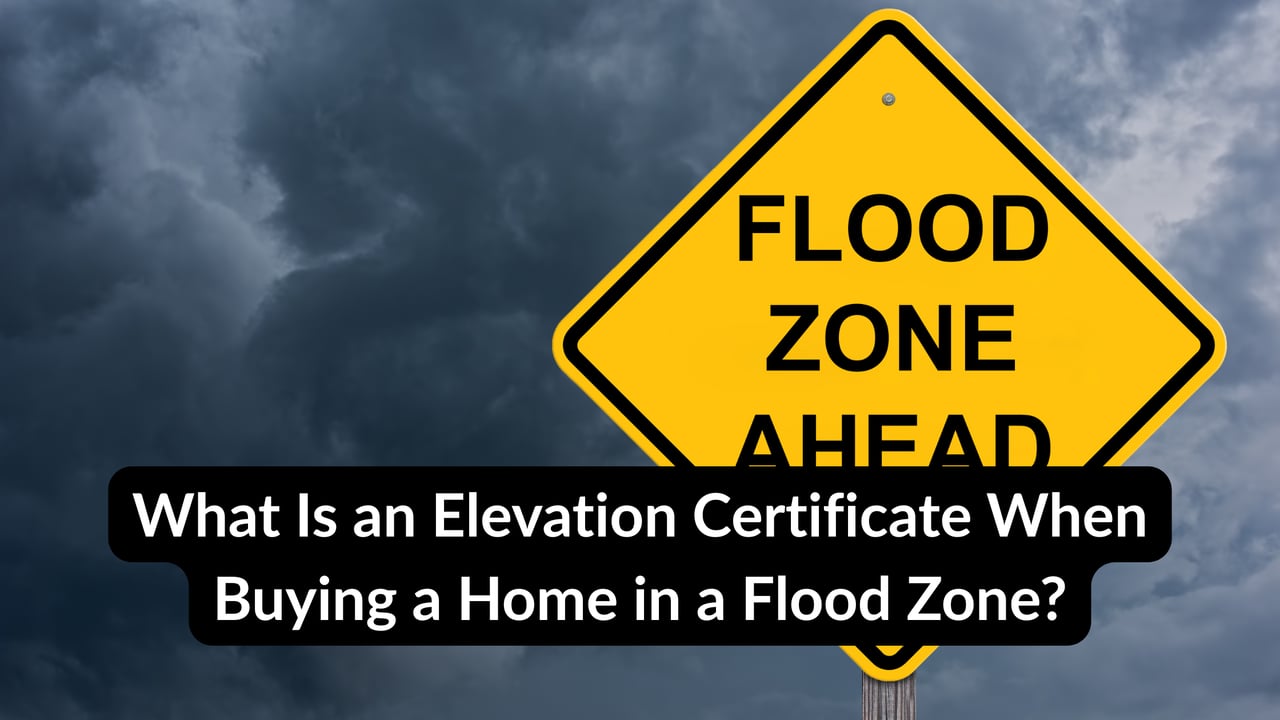
An Elevation Certificate is an official document that shows how high a home sits compared with the expected flood level in that area. A licensed surveyor, engineer, or architect prepares it.
The information on the certificate may affect your flood insurance premium. If the home sits above the Base Flood Elevation, insurance costs may be lower. If the lowest floor sits below that level, costs may be higher.
Key Takeaways
- An Elevation Certificate records a home's elevation compared with the Base Flood Elevation for that location.
- It is prepared by a licensed surveyor, engineer, or architect.
- Insurance companies may use the information to help calculate flood insurance premiums.
- Homes above the Base Flood Elevation may qualify for lower premiums. Homes with lower floors below that level may cost more to insure.
- Ask whether the seller already has an Elevation Certificate before ordering a new one.
- If no certificate exists and the home is in a flood zone, ordering one during the inspection period may be worth the added cost.
What an Elevation Certificate Actually Is
An Elevation Certificate is a standard document used to measure and record a building's elevation compared with the Base Flood Elevation. This is the height floodwater has a 1% chance of reaching in any given year.
A licensed surveyor, engineer, or architect measures the property and records important details. These may include the elevation of the home's lowest floor, an attached garage, and the ground around the building.
The information is recorded on a standard FEMA form so lenders and insurance professionals can review it consistently.
Why It Matters for Flood Insurance
Flood insurance premiums are not the same for every home in a flood zone. The cost can depend partly on how the individual property sits compared with expected flood levels.
If the home's lowest floor is above the Base Flood Elevation, an insurer may view the risk as lower. If the lowest floor is at or below that level, the premium may be higher.
This is why it helps to request a flood insurance quote before writing an offer and find out whether an Elevation Certificate already exists. For a broader look at the buying process, read more about flood insurance for homes near the Des Plaines River.
A Note on FEMA's Changing Rating System
FEMA changed the way National Flood Insurance Program premiums are calculated when it introduced Risk Rating 2.0. The current system considers several factors, rather than relying only on a property's elevation or flood zone boundary.
Even with these changes, an Elevation Certificate can still be useful. It provides verified information about the specific property and may help with insurance discussions. It may also be requested by a private flood insurance company.
For questions about how the certificate may affect the cost of insuring a particular home, speak with an insurance professional who regularly handles flood policies.
How to Get an Elevation Certificate
Start by asking whether one already exists. The seller may have received an Elevation Certificate when purchasing the home, completing improvements, or arranging flood insurance.
Elevation Certificates do not expire in the usual sense. However, an older certificate may not reflect later improvements, changes to the building, or updated flood maps. An insurance professional can help you decide whether an existing certificate has the information you need.
If no certificate exists, or the available one is no longer useful, you can hire a licensed surveyor to prepare a new one. Buyers often handle this during the inspection period so they can consider the findings before moving forward.
The cost varies by property and location. Still, it may be a reasonable expense when compared with the possible effect on your yearly insurance premium and the importance of understanding the full cost of buying a home in Illinois.
When to Make This Part of Your Process
Ideally, you should begin asking about an Elevation Certificate before writing an offer. At minimum, address it during the inspection period after your offer is accepted.
Here is a practical way to approach it:
- Check the property's flood zone designation through the FEMA Flood Map Service Center.
- Ask the seller or listing agent whether an Elevation Certificate already exists.
- Share any available certificate with your insurance professional and request a flood insurance quote.
- If no certificate exists and the property is in a flood zone, discuss whether ordering one during the inspection period makes sense.
- Add the flood insurance premium to your monthly housing budget along with property taxes, homeowners insurance, and the mortgage payment.
The insurance and elevation questions should be considered early, along with the other details covered in what to know before writing a home offer.
What This Means in Practice
An Elevation Certificate is not automatically a reason to walk away from a home near a river or in a low-lying area. It is a tool that helps you better understand the property and what it may cost to insure.
Two homes in the same flood zone can have very different insurance premiums because of how they are built and where their lowest floors sit. The certificate helps make those differences clearer before closing.
For buyers buying a home in Arlington Heights or another Northwest Suburban community where flood-zone properties are found, this research is simply part of careful due diligence. It should be treated much like a home inspection or title review.
Questions? Let's Talk Through the Details.
Flood maps, Elevation Certificates, and insurance requirements can feel like a lot when you are trying to evaluate a home. These details become easier to manage when someone helps you work through them one step at a time.
If you are looking near the Des Plaines River or elsewhere in Chicago's Northwest Suburbs, visit myrealtormari.com, watch buyer education and community videos on Life in the NW Burbs, email [email protected], or book a time to talk.
FAQs
What is an Elevation Certificate, and why does it matter for home buyers?
An Elevation Certificate records how high a home sits compared with the Base Flood Elevation for its location. Insurance professionals may use this information when reviewing flood risk and calculating premiums. For a home in a flood zone, it may affect the yearly cost of coverage.
Who prepares an Elevation Certificate?
A licensed land surveyor, engineer, or architect measures the property and records the elevation information on a standard FEMA form.
Can an Elevation Certificate lower flood insurance costs?
It may. If the certificate shows that the home's lowest floor is above the Base Flood Elevation, the documented information could support a lower assessment of risk. If the lowest floor is below that elevation, the certificate may confirm higher risk and a higher premium.
How do I get an Elevation Certificate for a home I am buying?
First, ask the seller whether one is already available. Share any existing certificate with your insurance professional to see whether it can be used. If no certificate exists, you can hire a licensed surveyor to prepare one, often during the inspection period.
Does FEMA's Risk Rating 2.0 make an Elevation Certificate unnecessary?
No. Risk Rating 2.0 considers more than elevation alone, but an Elevation Certificate still provides verified information about the individual property. It may remain useful when discussing premiums and working with private flood insurance companies.
When should I ask about an Elevation Certificate?
Ideally, ask before writing an offer or during the inspection period. Check the flood zone, find out whether a certificate exists, and request a flood insurance quote. Understanding the cost before closing can help you avoid an unexpected change to your monthly housing budget.