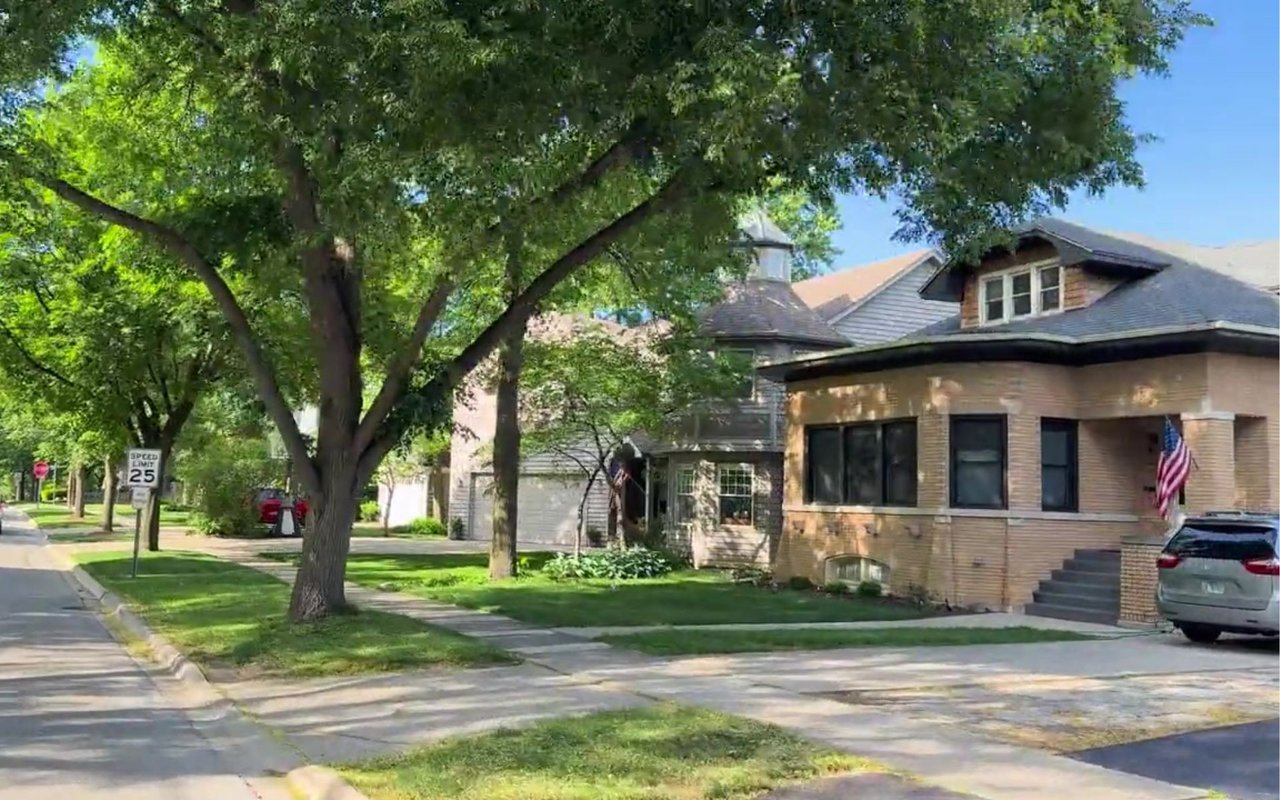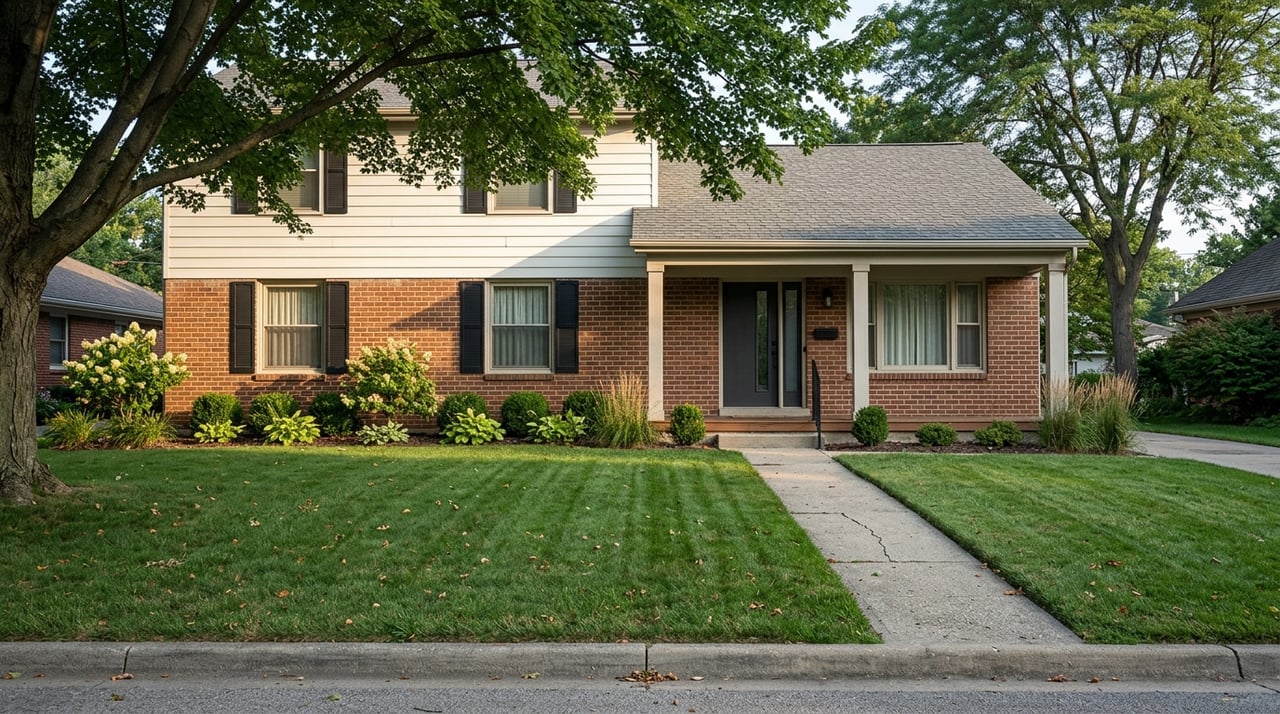
Itasca is a compact DuPage County village of 9,543 residents on 5.02 square miles, offering a walkable downtown, Metra rail access, and proximity to O'Hare and major expressways. It blends small-town scale with regional convenience, making daily errands, commuting, and outdoor time feel manageable without sacrificing access to Chicago.
Key takeaways
- Itasca has 9,543 residents and 5.02 square miles of land area, based on the 2020 Census
- The village is about 25 miles from Chicago's Loop and about 10 miles from O'Hare
- Downtown is centered near the Itasca Metra Station and the Walnut Avenue and West Irving Park Road intersection
- Itasca sits on Metra's Milwaukee District West Line, with a fully accessible station and nearby commuter parking
- The Itasca Park District maintains 9 parks and 4 facilities across more than 43 acres, including Springbrook Nature Center
- The Itasca Riverwalk links downtown, the Municipal Complex, the Waterpark, the Library, and Springbrook Nature Center
Why does Itasca feel different from other suburbs?
Itasca is a compact village in DuPage County with 9,543 residents and 5.02 square miles of land area, based on the 2020 Census. That smaller footprint shapes daily life in a real way. You're not dealing with a sprawling community, which can make local routines feel simpler and more familiar.
At the same time, Itasca isn't isolated. The village says it's about 25 miles from Chicago's Loop and about 10 miles from O'Hare. That balance is a big part of the appeal if you want a small-town feel without feeling cut off from work, travel, or regional amenities.
What is downtown Itasca like?
One reason Itasca feels grounded is that its downtown has a defined core. The area is centered around the Itasca Metra Station and the Walnut Avenue and West Irving Park Road intersection, with West Irving Park Road serving as the main access corridor. That kind of layout can make a community feel more connected, since daily life isn't spread out in every direction.
Itasca's small-town feel isn't about standing still, either. The village approved a Downtown Strategic Action Plan in 2022, received an RTA grant in 2024 to revisit downtown zoning, and is actively seeking new food-and-beverage use for 217 to 219 N. Walnut Street. Current Village of Itasca planning materials describe downtown as a pedestrian-oriented district supported by nearby neighborhoods, commuter traffic, and surrounding employment centers.
How easy is it to commute from Itasca?
For many buyers, location comes down to how easily you can get where you need to go. Itasca offers access to I-290, I-355, and I-390, along with Metra commuter rail and proximity to O'Hare. That gives you several ways to move around the region depending on your schedule.
Itasca is on Metra's Milwaukee District West Line, and the station is listed as fully accessible. The village also provides daily parking lots and quarterly permit parking near the station, which can make train travel feel practical for everyday use rather than an occasional option.
Beyond highways and rail, the village points residents to Pace bus and bicycling options. If you're comparing suburbs, that mix of transportation choices is worth noting. A compact village with several ways to get around can give you the feel of a smaller community while still supporting a connected lifestyle.
What parks and outdoor space does Itasca have?
Itasca's lifestyle isn't just about getting in and out of town. It's also about what you can enjoy close to home. The Itasca Park District maintains 4 facilities and 9 parks totaling more than 43 acres, including the Recreation and Fitness Center, the Waterpark, the Historical Depot Museum, and programs at Springbrook Nature Center.
Springbrook Nature Center is one of the standout local amenities, with more than 2 miles of year-round trails and a 700-foot boardwalk. For everyday life, that means an easy option for a walk or fresh air without leaving town.
The Itasca Riverwalk also links downtown, the Municipal Complex, the Waterpark, the Library, and Springbrook Nature Center. The village says this connection helps make Itasca more walkable and pedestrian friendly, which is a meaningful part of the lifestyle story here. Walkable connections between key spots can make a town feel more usable and social without always requiring a car.
Where can you grab coffee or eat out in Itasca?
Itasca's dining scene is small, but it covers the basics of everyday living well. Fulla Beans Cafe at 102 Irving Park Road serves as a coffee-and-lunch spot, while downtown includes places like Buon Johnny and Wine With Me in Historic Downtown Itasca. DeMarco's Italian Restaurant is another local option.
The village is also still working to shape the downtown food-and-beverage scene. For the 217 to 219 N. Walnut space, possible concepts named by the village include a restaurant, cafe, bakery, brewery, or hybrid use. Itasca already has a functioning downtown scene, but there's ongoing effort to create more everyday gathering places in the core.
What does everyday life in Itasca really feel like?
In some suburbs, convenience comes with a feeling of constant motion. In Itasca, the smaller scale helps daily life feel more contained. You can have local parks, a walkable riverwalk connection, a train station, and nearby coffee or dining, all without the footprint of a much larger community.
The reason Itasca works so well for many people is that the location fills in the gaps. Chicago, O'Hare, regional highways, and commuter rail all expand what's possible while the village itself stays compact. Itasca's small-town feel comes more from scale than from remoteness. You get a quieter, more local day-to-day setting, but the wider region is still within easy reach.
Who might like living in Itasca?
Itasca may be worth a closer look if you want:
- A smaller village setting with a defined downtown core
- Access to Metra for commuter rail options
- Proximity to O'Hare and major expressways
- Parks, trails, and recreation close to home
- A community where walkability and local connection play a role in daily life
- A suburban location that feels practical for relocation or right-sizing
Every move is personal, and the right fit depends on your priorities. Still, if you're looking for a place that offers both ease and access, Itasca checks a lot of meaningful boxes. If you're weighing it against other northwest Chicago suburbs, it's worth comparing commute times and downtown feel side by side. If selling a home here is part of your plan, my guide to selling a home in Itasca walks through that process, and if you're relocating from outside the area, relocating to the northwest suburbs covers what to expect.
If you're thinking about a move in Chicago's northwest suburbs and want calm, clear guidance on what fits your lifestyle best, I'm happy to help you explore your options with intention. Reach me at [email protected], book a time at calendar.app.google/kp1ttgdh3BHdTyrF7, or check out more local stories on my YouTube channel, Life in the NW Burbs.
FAQs
What is everyday life like in Itasca, Illinois?
Everyday life in Itasca is shaped by a compact village layout, a defined downtown area, local parks and recreation, and strong regional access through highways, Metra, and proximity to O'Hare.
How big is Itasca, Illinois?
Itasca has 9,543 residents and 5.02 square miles of land area, based on the 2020 Census.
Does Itasca, Illinois have Metra service?
Yes. Itasca is on Metra's Milwaukee District West Line, and the station is listed as fully accessible.
What transportation options are available in Itasca?
Itasca offers access to I-290, I-355, I-390, Metra commuter rail, nearby station parking, Pace bus options, and bicycling connections.
What parks and outdoor amenities are in Itasca?
The Itasca Park District maintains 4 facilities and 9 parks totaling more than 43 acres, including Springbrook Nature Center, which has more than 2 miles of trails and a 700-foot boardwalk.
What is downtown Itasca like?
Downtown Itasca is centered near the Metra station and Walnut Avenue, with a pedestrian-oriented core that includes local dining and ongoing planning for more food-and-beverage spaces.