Palatine may be a good fit if you want Metra access to Chicago, a true downtown, a wide range of housing, and established neighborhoods with strong community events. It may not be the right choice if you want the shortest possible commute, lower property taxes, or a very small-town feel. Here’s what to consider.
Key takeaways:
- Palatine’s population was estimated at 65,842 as of July 2025, making it one of the larger Northwest Suburbs.
- Metra’s Union Pacific Northwest Line connects Palatine to Ogilvie Transportation Center in about 40 minutes to an hour, depending on the train.
- Many Palatine homes are served by Community Consolidated School District 15 and Township High School District 211, but school assignments should always be verified by address.
- Zillow reported an average Palatine home value of $385,886 as of May 31, 2026, up 5.2% year over year.
- Redfin described the Palatine market as very competitive, with homes receiving an average of five offers during the three months ending in May 2026.
Palatine is one of the larger communities in Chicago’s Northwest Suburbs. It sits in Cook County, about 25 miles northwest of Chicago, and is known for its downtown Metra station, established neighborhoods, local events, and wide range of housing options.
Like any suburb, Palatine will not be the right fit for everyone. Some buyers appreciate the combination of transportation, parks, schools, housing variety, and community life. Others may decide that the taxes, commute time, competition, or neighborhood layout do not match what they want.
If you are considering a move to Palatine, here is an honest look at the pros and cons.
What Is Palatine, IL Like? A Quick Snapshot
Palatine is an established Northwest Chicago suburb with single-family homes, townhomes, condos, apartments, older properties, and newer construction. Its walkable downtown is centered around the Metra Union Pacific Northwest Line and includes restaurants, shops, community events, and a seasonal farmers market.
According to the U.S. Census Bureau, Palatine’s median household income was $97,819 from 2020 through 2024. The village had 27,303 households during that period, and 67.4% of housing units were owner-occupied. That gives Palatine a strong residential feel while still offering rental options.
If you are comparing Palatine with a nearby community, the Arlington Heights vs. Palatine comparison explains how the two suburbs differ.
The Pros of Living in Palatine, IL
Pro 1: Palatine Has a Real Downtown
One of Palatine’s biggest strengths is its downtown.
Downtown Palatine is built around the train station, giving the area the feel of a traditional suburban train town. Restaurants, coffee shops, small businesses, events, and the Palatine Farmers’ Market are all located near the Metra station.
The farmers market is held in the Palatine Train Station parking lot. In 2026, the summer market runs every Saturday from May through October. The winter market is held on the first and third Saturdays from November through April.
That downtown activity can make a difference if you want more than subdivisions and shopping centers. Being able to meet a friend for dinner, grab coffee, or visit the farmers market helps the community feel connected and lived-in.
Pro 2: Palatine Offers Metra Access to Chicago
For commuters, Palatine’s Metra station is one of the community’s strongest advantages.
The Union Pacific Northwest Line connects Palatine with Ogilvie Transportation Center in downtown Chicago. Depending on the train, the trip may take roughly 40 minutes to about an hour. Some trip estimates place the average ride at about 53 minutes.
It is not a short commute, but it can be manageable for people who work downtown and would rather take the train than drive.
The location of your home also matters. Living close to the station may save time, but parking, walkability, train schedules, and traffic near downtown should all be considered. The Palatine Metra parking guide explains what commuters can expect.
Pro 3: Palatine Offers a Wide Range of Housing
Palatine is not made up of just one type of neighborhood.
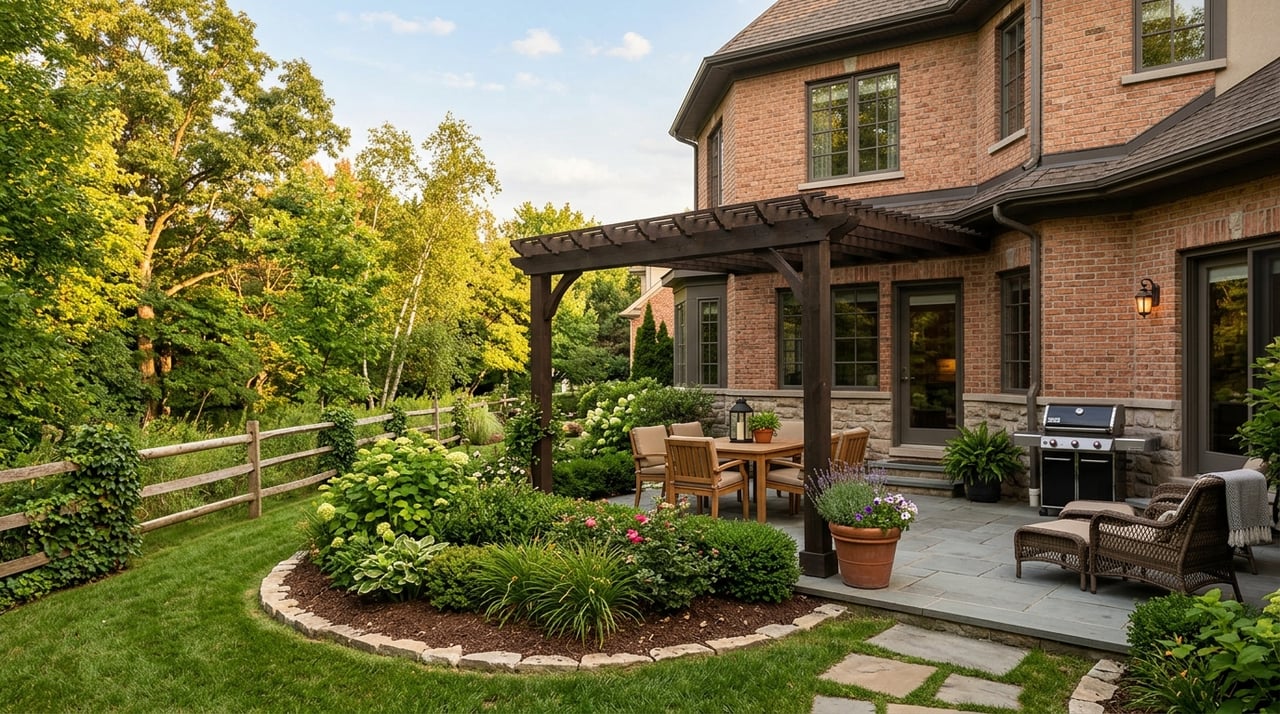
You can find vintage bungalows, split-levels, ranches, colonials, townhomes, condos, larger homes, and newer construction. Some neighborhoods are close to downtown and the train. Others feel quieter, more spacious, or more private.
That variety gives buyers more ways to find a home that fits their priorities. One person may want to walk to the train. Another may want a larger yard, first-floor living, a quieter street, or a particular school assignment.
The guide to choosing the right Palatine neighborhood can help you narrow down the options.
Pro 4: Palatine Is Served by Several School Districts
Several school districts serve Palatine, so buyers should confirm the exact school assignments for every property they consider.
The Village of Palatine lists Community Consolidated School District 15 and Township High School District 211 among the local school systems. District 15 serves students in parts of seven Northwest Suburban communities, including Palatine.
Township High School District 211 describes itself as the largest high school district in Illinois, serving nearly 12,000 students across five high schools and two alternative high schools. Palatine High School and William Fremd High School are both located in Palatine.
School boundaries can affect both day-to-day life and future resale. Do not rely on a mailing address or listing description alone. Always verify the assigned schools directly for the property.
Pro 5: Palatine Has Strong Community Events
Palatine’s community calendar gives the village its own personality.
One of its best-known traditions is Hometown Fest, held around the Fourth of July. The 2026 event includes a carnival, fireworks, a parade, and several days of activities at Community Park.
Events like this give residents a reason to gather, volunteer, support local organizations, and connect with the community beyond their own neighborhood.
If parks and outdoor activities are also important to you, the guide to outdoor recreation and trails in Palatine is a helpful place to start.
Pro 6: Palatine Has a Diverse, Established Population
Palatine is an established suburb with older neighborhoods, newer pockets, longtime residents, newcomers, and a wide variety of local businesses.
The Census reports that 36.6% of Palatine residents age five and older spoke a language other than English at home from 2020 through 2024. It also reports that 24.2% of residents were born outside the United States.
That diversity is reflected in local restaurants, schools, businesses, and community life. For many residents, it is an important part of Palatine’s character.
Pro 7: Palatine Continues to Attract Buyers
Buyer demand in Palatine has remained strong.
Zillow reported an average Palatine home value of $385,886 as of May 31, 2026, up 5.2% from the prior year. Its data also showed homes going pending in about seven days.
Redfin reported a median sale price of approximately $385,000 during the three months ending in May 2026, an increase of 9.3% year over year. It described the Palatine market as very competitive.
That demand can be encouraging for homeowners. For buyers, it means preparation matters. Well-priced homes in popular locations may move quickly.
The Cons of Living in Palatine, IL
Con 1: Property Taxes Can Be Significant
Property taxes are an important part of the cost of owning a home in Palatine, as they are throughout much of Cook County.
The Census reported median selected monthly owner costs of $2,356 for Palatine homeowners with a mortgage from 2020 through 2024. That figure includes the mortgage payment, property taxes, insurance, utilities, and other ownership expenses.
Tax bills can vary widely based on the home, assessment, exemptions, and local taxing bodies. Two homes with similar purchase prices may have very different property taxes.
Do not shop by purchase price alone. Look at the full monthly cost, including taxes, insurance, association fees, utilities, and expected maintenance.
Con 2: The Housing Market Can Be Competitive
Palatine’s popularity can make the buying process more challenging.
As of May 31, 2026, Zillow reported that Palatine homes were going pending in about seven days. Redfin described the market as very competitive and reported an average of five offers per home during the three months ending in May 2026.
That does not mean every property sells immediately or above the asking price. Condition, price, location, layout, and timing still matter. However, well-priced homes in desirable locations can move fast.
Buyers should have a clear budget, a strong pre-approval, and a realistic understanding of where they are willing to compromise.
Con 3: The Commute Is Convenient, but It Is Not Quick
Metra access is helpful, but traveling from Palatine to downtown Chicago is still a substantial commute.
The ride from the Palatine Metra station to Ogilvie can take around 40 minutes to nearly an hour, depending on the train.
That does not include the time needed to reach the station, park or walk, wait for the train, and travel from Ogilvie to your final destination.
If you commute several days a week, test the full door-to-door trip before choosing a home. The actual routine may feel different from simply looking at the train schedule.
Con 4: School Boundaries Require Careful Research
A Palatine mailing address does not automatically tell you which schools serve a property.
Boundaries can differ at the elementary, middle, and high school levels. Nearby homes may feed into different schools, even when they share the same city name.
The Village of Palatine lists District 15, District 211, and Harper College among the local educational organizations, but buyers should verify school assignments directly for each address.
This is especially important when a particular school is part of your home search.
Con 5: Downtown Living Comes With Tradeoffs
Downtown Palatine is one of the village’s biggest strengths, but living nearby will not suit everyone.
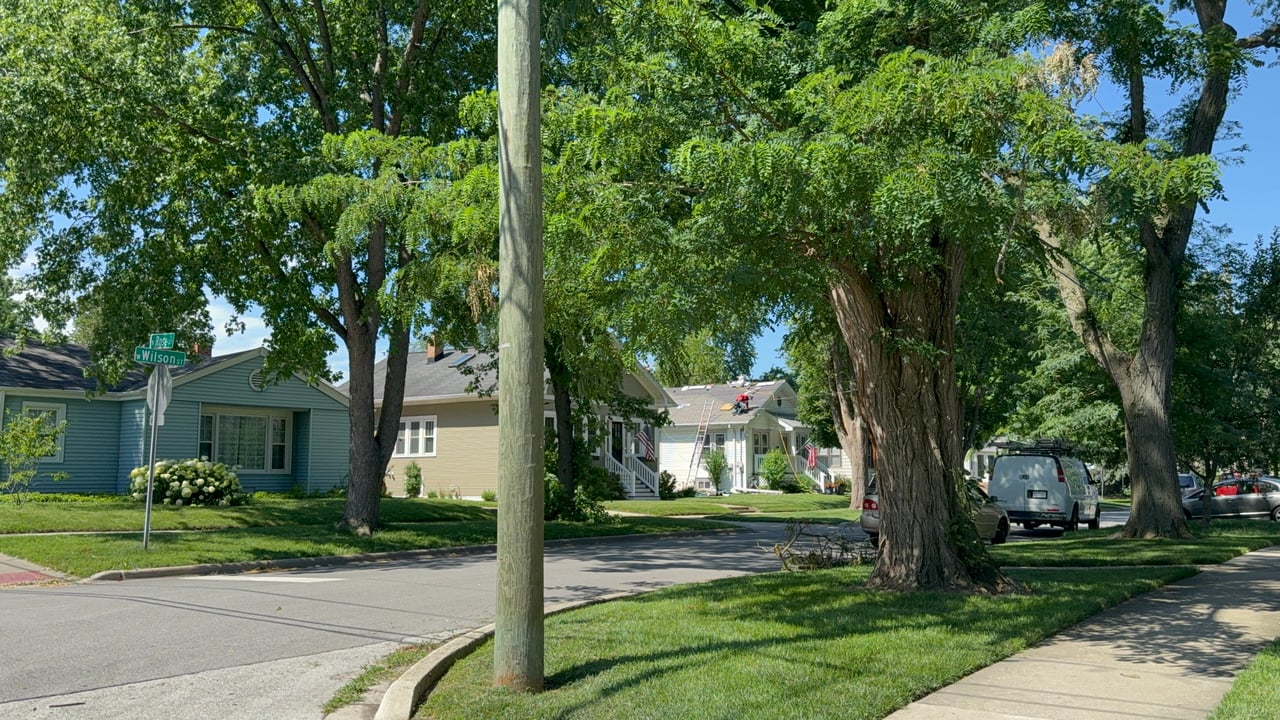
Homes close to downtown may offer walkability, train access, restaurants, and convenience. They may also come with more traffic, train noise, smaller lots, older properties, more activity, or tighter parking.
For some buyers, that energy is part of the appeal. Others may prefer a quieter neighborhood farther from downtown.
Visit the area at different times of day before making a decision. A street may feel very different on a weekday morning, a Saturday afternoon, and an evening when trains, restaurants, and events are active.
Con 6: Older Homes May Need More Maintenance
Palatine’s established neighborhoods include many older homes. While these properties can have character and solid construction, they may also need updates or repairs.
Depending on the property, buyers may need to consider the roof, windows, heating and cooling systems, electrical panel, plumbing, insulation, drainage, basement, driveway, and other signs of wear.
This is common in many established suburbs, not just Palatine. Still, buyers should look closely at the home’s condition, not only its location and appearance.
A well-maintained older home can be a wonderful choice. A property with years of deferred maintenance can become expensive quickly.
Con 7: Palatine May Feel Too Large or Spread Out
With more than 65,000 residents, Palatine is one of the larger communities in the Northwest Suburbs.
Its size brings more housing choices, businesses, neighborhoods, and community resources. It also means the village may not feel as small or quiet as some nearby suburbs.
Depending on where you live, downtown may not feel close at all. Some neighborhoods are also much more car-dependent than others.
If you are looking for a very small-town atmosphere, Palatine may not match what you have in mind.
Who Is Palatine a Good Fit For?
Palatine may be a strong fit for people who want:
- Metra access to Chicago
- A walkable downtown
- A wide range of housing options
- Established neighborhoods
- Community events
- Access to large school districts
- Shopping, dining, parks, and transportation nearby
It may be especially appealing to commuters, buyers who want a true town center, and people who like having several neighborhood styles to choose from.
Who Might Not Love Palatine?
Palatine may not be the best fit for someone who wants:
- The shortest possible commute to Chicago
- A very small suburb
- Lower property taxes
- A community made up mostly of newer construction
- A walkable lifestyle in every neighborhood
- A slower housing market with less competition
It may also be a poor fit for someone choosing a home based on a specific school or neighborhood without first verifying the exact address.
Final Thoughts: Is Palatine, IL a Good Place to Live?
For many people, yes. Palatine offers a strong mix of train access, downtown activity, housing variety, community events, and established neighborhoods. It has the kind of local identity many buyers want when comparing communities in the Northwest Suburbs.
It is not the right fit for everyone, though.
The biggest factors to weigh are the commute, property taxes, school boundaries, condition of the home, neighborhood atmosphere, and how close you want to be to downtown.
Compare the lifestyle, not just the house. Walk through downtown. Drive the neighborhoods. Test the commute. Review the tax bill. Confirm the schools. Visit at different times of day.
That is how you move from “Palatine sounds nice” to “Palatine fits my life.”
Want to talk through whether Palatine fits your situation? Book a time to chat, email [email protected], or explore more Northwest Suburbs community guides on the Life in the NW Burbs YouTube channel.
FAQs About Living in Palatine, IL
Is Palatine, IL a good place to live?
Palatine may be a good place to live for people who want Metra access, a walkable downtown, established neighborhoods, and a variety of housing options. It is especially appealing to buyers who want community events and convenient transportation in the Northwest Suburbs.
What are the biggest advantages of living in Palatine?
Some of Palatine’s biggest advantages are its downtown, Metra station, housing variety, established neighborhoods, community events, and access to District 15 and District 211 schools.
What are the biggest disadvantages of living in Palatine?
Possible disadvantages include property taxes, a competitive housing market, the length of the commute, train or downtown activity near some homes, and the need to carefully verify school boundaries.
How long is the Metra ride from Palatine to Chicago?
The ride from Palatine to Ogilvie Transportation Center varies by train, but it generally takes about 40 minutes to an hour. Some trip estimates place the average at around 53 minutes.
What school districts serve Palatine?
Many Palatine students attend Community Consolidated School District 15 for elementary and middle school and Township High School District 211 for high school. School assignments should always be verified for the exact property address.
What is the housing market like in Palatine?
As of May 2026, Zillow reported an average Palatine home value of $385,886. Redfin reported a median sale price of approximately $385,000 during the three months ending in May 2026. Both sources showed year-over-year price growth.