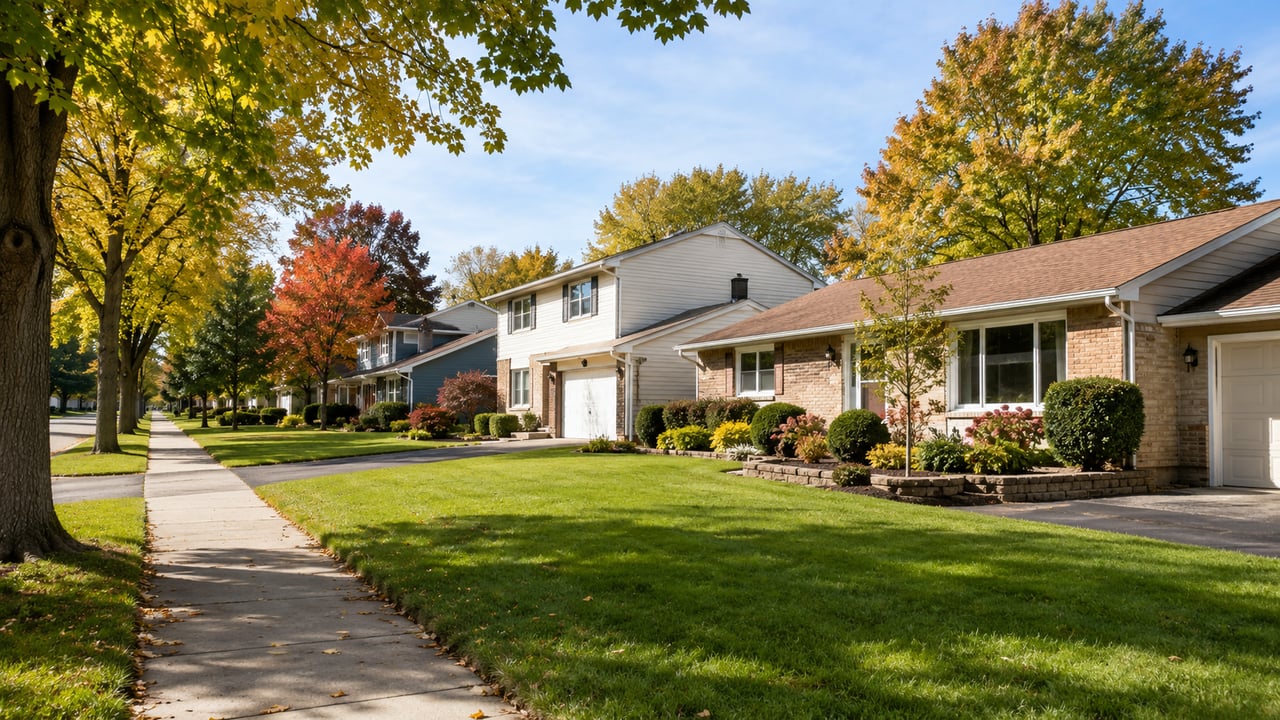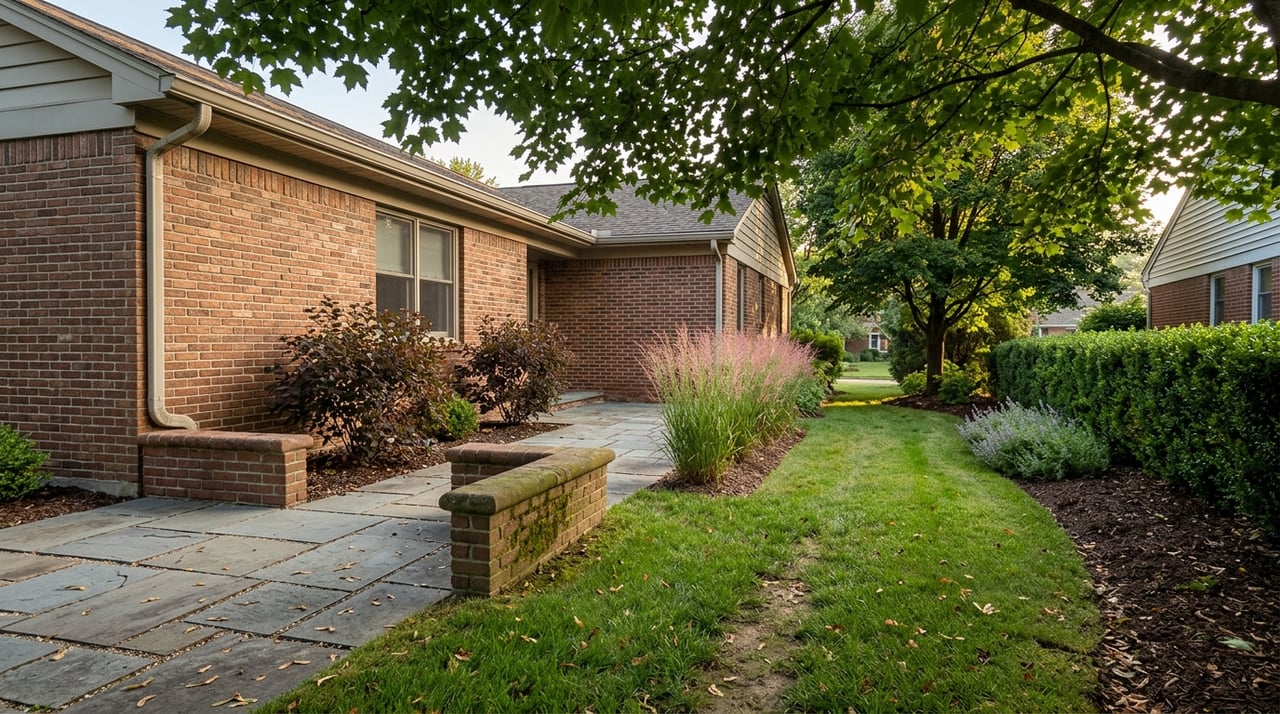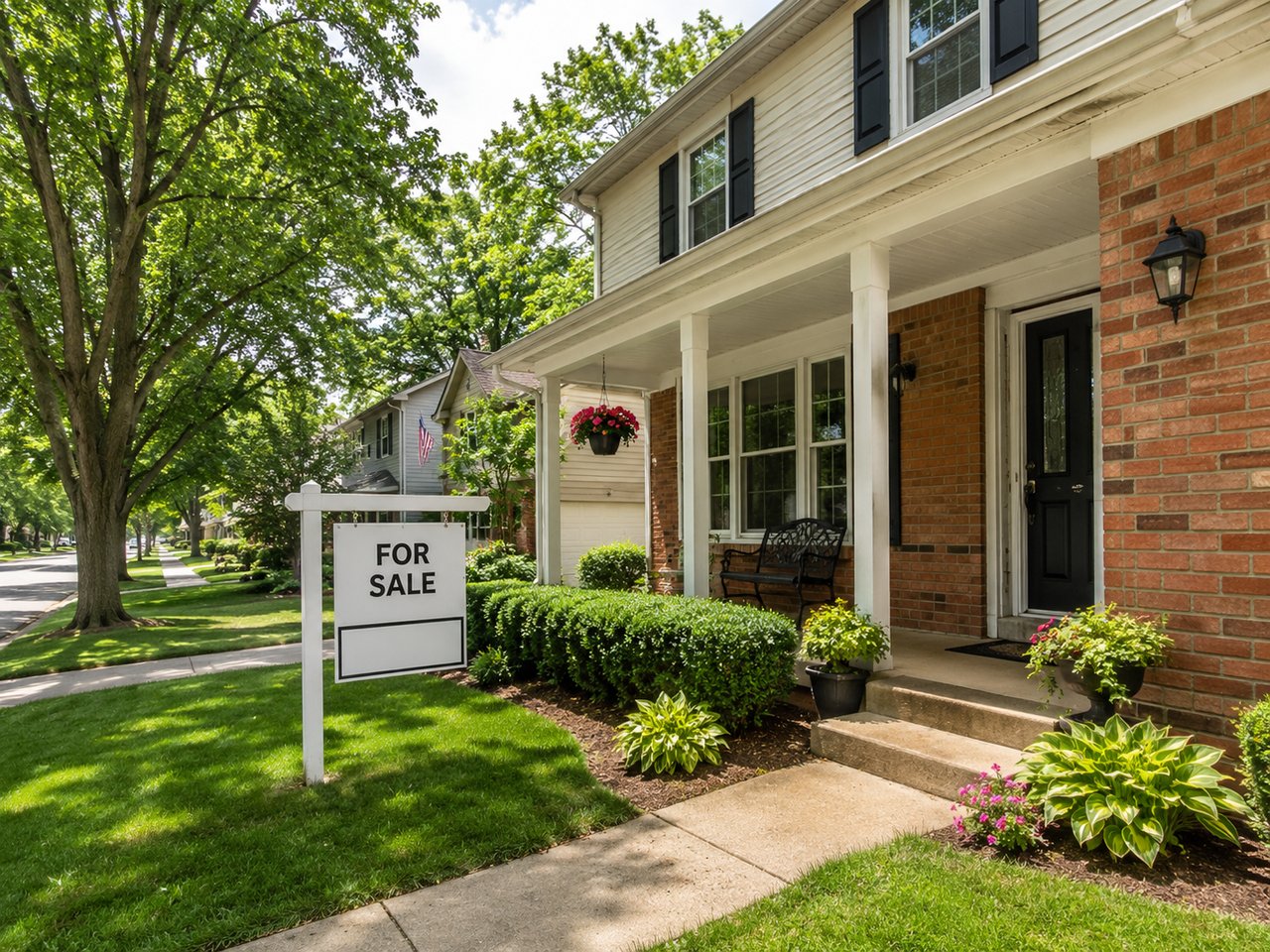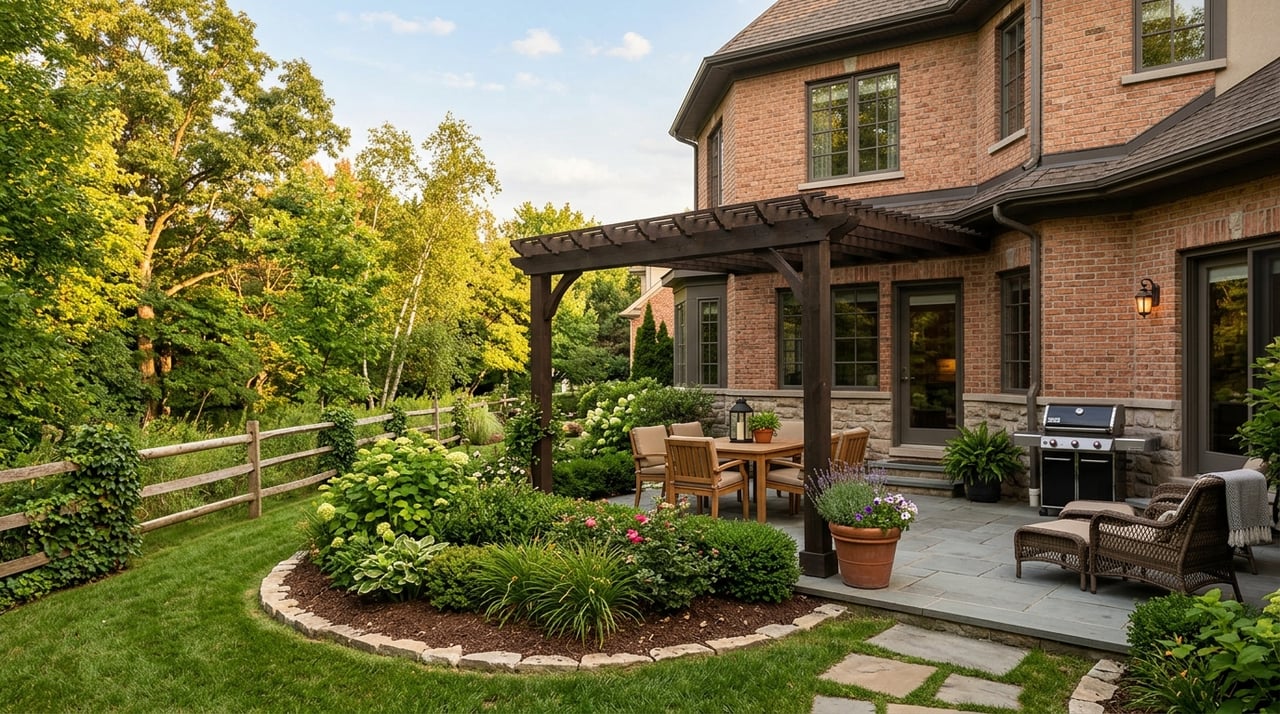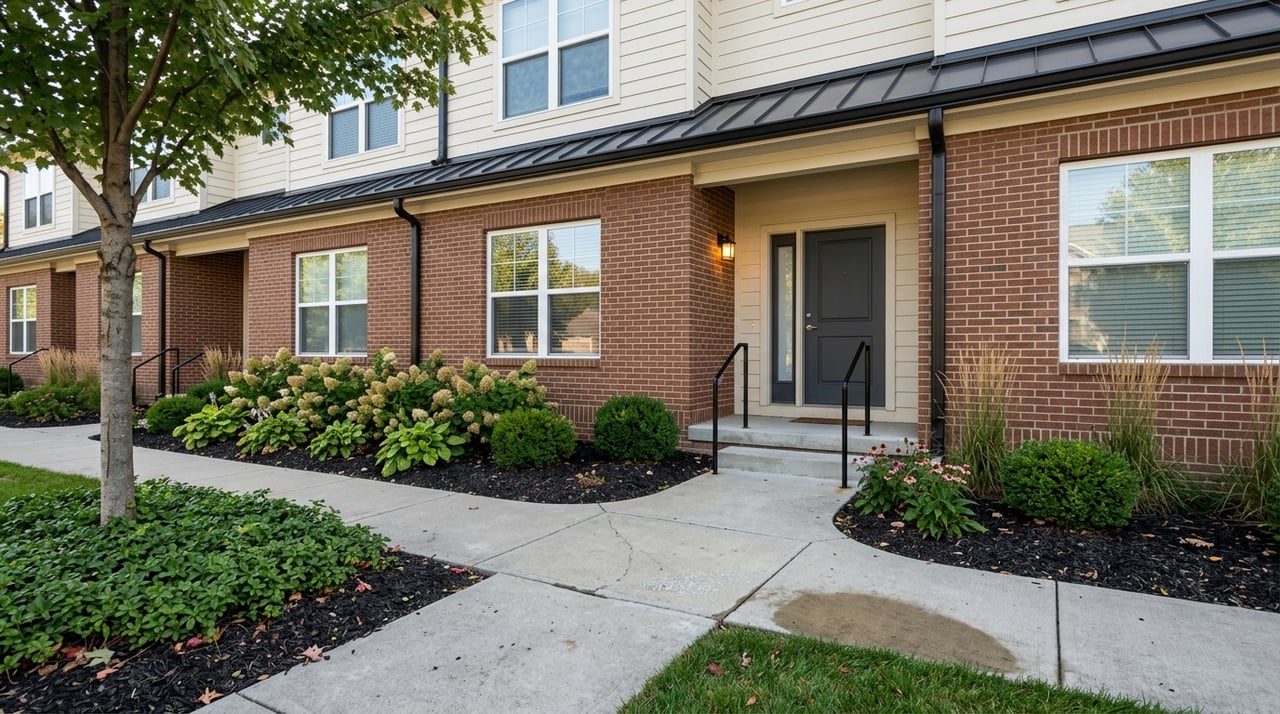
In Schaumburg, the difference between a condo and a townhome is not always obvious from the outside. A condo usually describes how the property is owned, while a townhome usually describes the style of the building.
That means a home can look like a townhome but still be legally organized as a condominium.
Key Takeaways
- In Schaumburg, “condo” usually refers to the ownership structure, while “townhome” usually refers to the building style.
- A townhome-style property can still be part of a condominium association.
- Schaumburg has a large attached-home market, with more than 21,000 multi-family units, according to the Village of Schaumburg Housing Information.
- CMAP’s Schaumburg Community Data Snapshot reports that single-family attached homes make up 18.9% of Schaumburg’s housing stock.
- Two-bedroom homes are the largest housing-size category in Schaumburg at 38.5%, according to CMAP’s Schaumburg Community Data Snapshot.
- HOA reserves, rules, insurance coverage, and planned repairs matter just as much as the floor plan.
- Under Section 22.1 of the Illinois Condominium Property Act, condominium resale documents must be provided within 10 business days after a written request.
Why Does Schaumburg Have So Many Condos and Townhomes?
If you are searching for a condo or townhome in Schaumburg, you will find a wide range of attached-home options.
The Village of Schaumburg Housing Information reports more than 12,000 single-family homes and 21,000 multi-family units. The village also lists a wide range of home values, from lower-priced condominiums to single-family homes priced above $900,000.
That range gives buyers several ways to enter the Schaumburg market.
An attached home may make sense for someone who wants less exterior maintenance, a smaller footprint, or a more manageable home after a major life change. It can also offer a different price point from many detached homes.
What Is the Difference Between a Condo and a Townhome?
This is where many buyers get confused.
A townhome usually describes the building style. The U.S. Census Bureau housing definitions describe attached single-family homes, including townhouses, as side-by-side homes with no units above or below. They are typically separated by a ground-to-roof wall and have separate heating systems and utility meters.
A condo usually describes the ownership structure. With a condominium, you generally own your individual unit and share ownership or responsibility for common areas through an association.
What this means for you is that a Schaumburg home can look like a townhome but still be legally structured as a condo.
Do not rely only on listing photos, property labels, or casual descriptions. Before making an offer, confirm:
- What you personally own
- What the association maintains
- What your monthly dues cover
- What repairs or projects may be coming
- Whether the association has healthy reserves
- What rules affect pets, rentals, parking, exterior changes, and daily use
What Do Schaumburg Condos Usually Look Like?
Schaumburg condos often appeal to buyers who want a simpler day-to-day setup.
You may find one-bedroom and two-bedroom units with features such as balconies, garage parking, storage, shared laundry, elevators, pools, clubhouses, or tennis courts.
These homes may work well for first-time buyers, right-sizers, or anyone who wants less maintenance than a detached house.
The tradeoff is often less private outdoor space and less control over exterior decisions.
For some people, that feels easy and practical. For others, it may feel limiting. The right choice depends on how you want to live, not only what fits your budget.
What Do Schaumburg Townhomes Usually Look Like?
Townhome-style properties in Schaumburg often provide more space than a smaller condo while keeping exterior maintenance more manageable than a detached home.
You may find ranch-style townhomes, coach homes, two-story townhomes, and newer three-story layouts. Common features include:
- Attached garages
- In-unit laundry
- Patios or balconies
- Fireplaces
- Open living and dining areas
- Two or three bedrooms
- More storage than a typical condo
This can be a helpful middle ground if you want more room but are not looking for the full maintenance responsibility of a detached home.
What Layouts Are Most Common in Schaumburg?
CMAP’s Schaumburg Community Data Snapshot reports that two-bedroom homes make up the largest housing-size category in Schaumburg at 38.5%. Three-bedroom homes follow at 27.4%. CMAP also lists the community’s median number of rooms as 4.8.
This is helpful when comparing attached homes.
If you are looking for a two-bedroom condo or townhome, you may have more choices. If you need three bedrooms, a garage, and generous storage, you may need to be more focused and ready to act when the right property becomes available.
CMAP also reports that 60.7% of Schaumburg’s housing stock was built between 1970 and 1989, with a median year built of 1979.
Older does not automatically mean worse. It simply means you should pay close attention to building systems, roofs, parking areas, common elements, reserve funds, and planned repairs.
Why Do HOA Reserves Matter?
HOA reserves are funds the association sets aside for future repairs and replacements.
In an attached-home community, reserves may help pay for:
- Roof replacement
- Siding or brick repairs
- Parking lot resurfacing
- Pool repairs
- Common-area maintenance
- Mechanical systems
- Landscaping improvements
A low monthly assessment can look appealing. But if the reserve fund is too small, owners may face higher dues or a special assessment later.
This is not the most exciting part of buying a home, but it matters. A beautiful kitchen is wonderful. A financially healthy association can help protect your investment.
What Documents Should Buyers Review?
For Illinois condominium resales, Section 22.1 of the Illinois Condominium Property Act requires the seller to obtain and provide certain association documents and information when a prospective buyer requests them.
These may include the declaration, bylaws, rules, unpaid assessments, anticipated capital expenses, reserve fund information, financial condition, pending lawsuits or judgments, insurance coverage, and association contact information.
The association must provide the required information within 10 business days after receiving a written request.
Before buying a Schaumburg condo or townhome, review:
- The declaration and bylaws
- Rules and regulations
- The current budget
- The reserve fund balance
- Recent financial statements
- Meeting minutes, when available
- Planned capital projects
- Pending lawsuits
- Insurance coverage
- Rental restrictions
- Pet rules
- Parking rules
- Current or proposed special assessments
- Owner and association maintenance responsibilities
If two properties look similar, these documents may help you decide between them.
One association may have strong reserves, clear rules, and predictable expenses. Another may have lower dues but more deferred maintenance or a special assessment on the horizon.
The second property is not automatically a poor choice. You simply need to understand what you are buying and what costs may come later.
What Are Special Assessments?
A special assessment is an additional charge owners may need to pay when the association does not have enough money to cover a repair, improvement, or unexpected expense.
Special assessments may be used for projects such as roof replacement, parking lot work, exterior repairs, or emergency building needs.
They are not always avoidable, but they should not come as a complete surprise when the association documents are reviewed carefully.
Look for clues in the budget, meeting minutes, reserve study, and capital improvement plans.
Is an Attached Home Better Than a Detached Home?
It depends on what you need and how you want to live.
An attached home may be a good fit if you want:
- Less exterior maintenance
- A lower entry price than many detached homes
- Shared amenities
- A smaller footprint
- A simpler day-to-day routine
- A one-level layout or easier upkeep
A detached home may be a better fit if you want:
- More privacy
- More control over exterior changes
- A private yard
- Fewer association rules
- More separation from neighbors
- More storage or room to expand
CMAP’s Schaumburg Community Data Snapshot reports that detached single-family homes make up 33.4% of Schaumburg’s housing units, while single-family attached homes make up 18.9%.
Schaumburg gives buyers several options. The key is deciding which type of home fits your life.
How Do You Choose Between a Condo and a Townhome in Schaumburg?
Start with your daily life, not just the list price.
Ask yourself:
- How much maintenance do I want to handle?
- Do I want stairs, or would one-level living work better?
- How important is an attached garage?
- Do I need private outdoor space?
- Am I comfortable following HOA rules?
- Do I understand what the monthly dues cover?
- Does the association have healthy reserves?
- Could I manage a special assessment if one came up?
- Do I need space for guests, pets, hobbies, or working from home?
- How long do I expect to live in the home?
If you are buying during a major transition, these questions may matter even more.
A home can check every box on paper and still not feel right for the life you are building. Taking time to understand the layout, ownership structure, association, and ongoing costs can help you make a calmer, clearer decision.
The Bottom Line on Schaumburg Condos and Townhomes
Schaumburg offers a wide range of attached homes, from smaller condominiums with shared amenities to larger townhome-style properties with garages and more living space.
The most important thing to remember is that the difference between a condo and a townhome is not only about appearance.
You need to understand what you own, what the association controls, what your monthly dues cover, and what financial responsibilities may come later.
Once those details are clear, it becomes much easier to compare properties with confidence and less second-guessing.
If you are exploring attached homes in Schaumburg or the surrounding Northwest Suburbs, I can help you look beyond the listing photos and understand the details that may affect your daily life and long-term costs.
For more local real estate and community guidance, visit Life in the NW Burbs on YouTube, email [email protected], or visit myrealtormari.com.
FAQs
What is the difference between a condo and a townhome in Schaumburg?
A condo usually refers to the ownership structure, while a townhome usually refers to the style of the building. A property in Schaumburg can look like a townhome but still be legally organized as a condominium. Always confirm the ownership structure before making an offer.
Are Schaumburg condos and townhomes more affordable than detached homes?
They often can be, but the total cost includes more than the purchase price. Buyers should consider the mortgage payment, property taxes, insurance, HOA dues, and the possibility of special assessments.
What documents should I review before buying a Schaumburg condo?
Review the declaration, bylaws, rules, budget, reserve fund information, financial statements, insurance coverage, pending lawsuits, unpaid assessments, and planned capital expenses. Section 22.1 of the Illinois Condominium Property Act requires the association to provide certain resale information within 10 business days after a written request.
Why do HOA reserves matter when buying a condo or townhome?
Reserve funds help pay for future repairs and replacements, including roofs, parking lots, siding, pools, and other shared elements. If reserves are too low, owners may face higher monthly dues or special assessments later.
Are two-bedroom homes common in Schaumburg?
Yes. CMAP’s Schaumburg Community Data Snapshot reports that two-bedroom homes are the largest housing-size category in Schaumburg at 38.5%.
Is a Schaumburg townhome a good option for right-sizing?
A Schaumburg townhome may be a good right-sizing option if you want more space than a smaller condo but less maintenance than a detached home. Pay close attention to stairs, garage access, storage, outdoor space, HOA rules, and monthly dues before deciding.