Overhead sewers and modern sump pump systems are not automatically standard in older homes across Chicago's Northwest Suburbs.
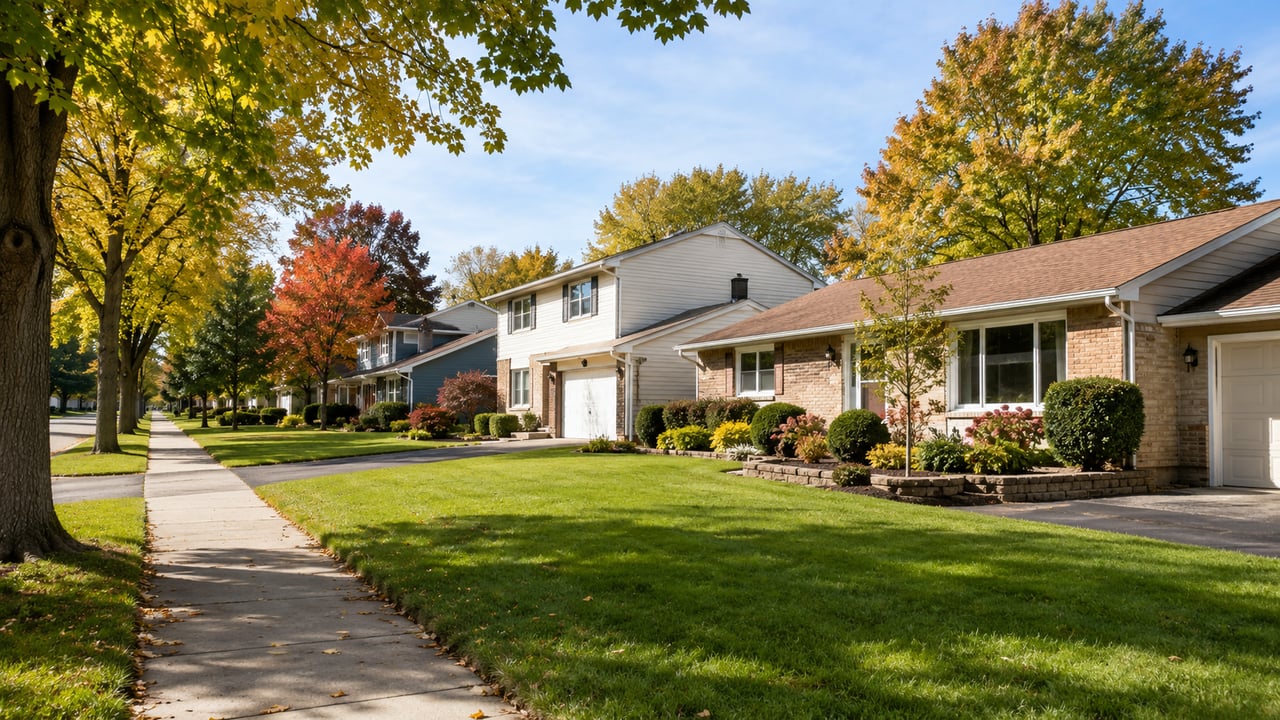
Many homes in Arlington Heights, Mount Prospect, Des Plaines, Elk Grove Village, and nearby communities were built in the 1950s, 1960s, and 1970s, before many of today's flood-control improvements became common.
Understanding which systems are already in place, and what condition they are in, is one of the most practical things a buyer can do when considering an older home.
Key Takeaways
- Overhead sewers and sump pumps with battery backups are not automatically standard in older Northwest Suburban homes.
- Many local homes were built before current water-management practices became common.
- An overhead sewer can help prevent municipal sewer backup from entering the basement.
- Buyers should ask about the sump pump, battery backup, overhead sewer, drain tile, past water issues, and basement permit history.
- Some municipalities have offered cost-sharing programs for flood-control improvements, but availability changes over time.
- An older home without every modern upgrade is not automatically a poor choice. Buyers simply need to understand what is there and what may need improvement.
Why This Matters When Buying an Older Home
Older homes in the Northwest Suburbs offer a lot of things buyers value, including established neighborhoods, mature trees, larger lots, and architectural character.
They may also have plumbing and drainage systems that were installed decades ago. Some of those systems can struggle during heavy rain, especially if they have not been updated or maintained.
This does not make an older home a bad purchase. It means the water-management systems deserve a closer look before you buy.
Basement flooding risk in the Northwest Suburbs explains the broader issue. Here, we will focus on the specific systems buyers should ask about when touring and inspecting an older home.
What an Overhead Sewer Does
An overhead sewer sounds complicated, but the basic idea is fairly simple.
In many older homes, basement drains and plumbing connect to the municipal sewer at or below the basement floor. If the public sewer system becomes overwhelmed during a heavy storm, backed-up water may have a path into the basement through those lower drains.
An overhead sewer changes the route. Basement wastewater is pumped upward before it leaves the home. The connection to the sewer sits above the basement floor instead of below it.
This makes it much harder for backed-up municipal sewer water to enter the basement.
An overhead sewer can be an important improvement in an older home, especially in an area where sewer backup has been a concern. The article about historic neighborhoods in Mount Prospect looks at the charm and character of older homes. The sewer system is part of the practical side of that same conversation.
Sump Pumps: Ask More Than “Is There One?”
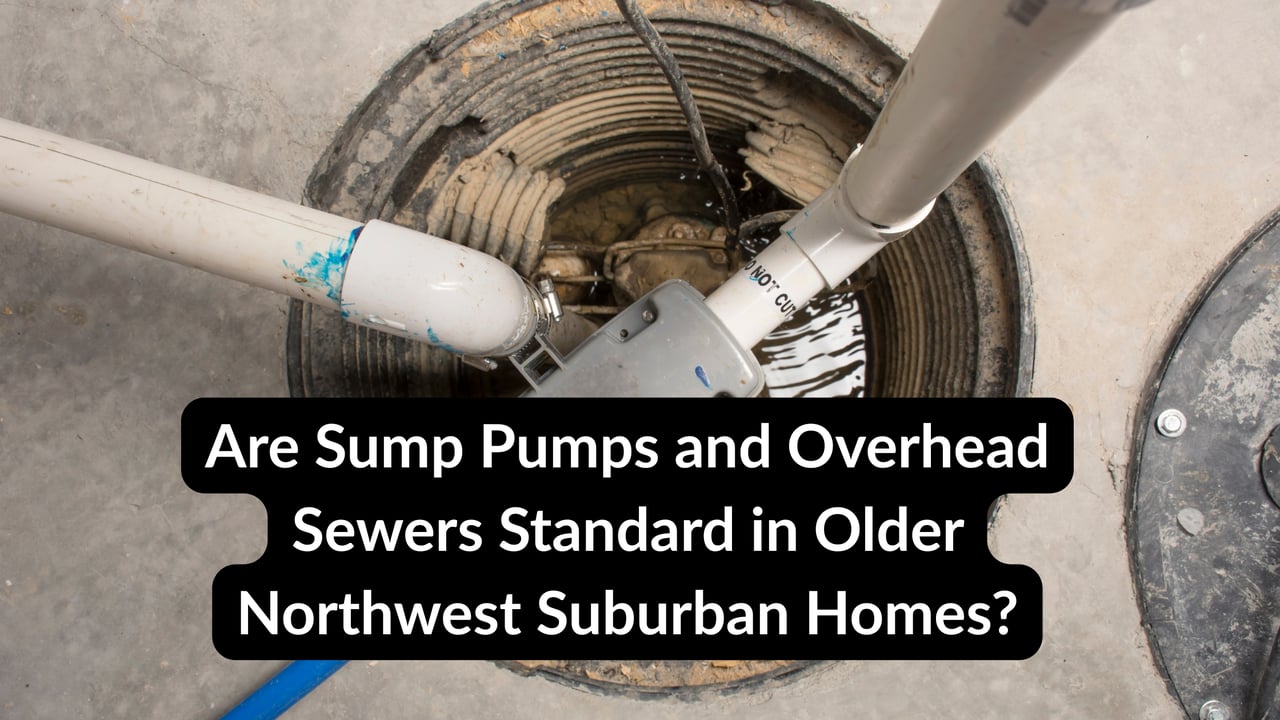
Most buyers know to look for a sump pump. The next step is finding out whether it is ready to do its job.
A sump pump is only as dependable as its age, condition, installation, and backup power source. Heavy storms and power outages often happen at the same time. A sump pump without backup power may stop working when it is needed most.
When you are touring or inspecting an older home, ask about:
- Age and condition: Find out how old the pump is and whether it has been regularly tested or serviced.
- Battery backup: Ask whether a backup system is installed and when the battery was last replaced.
- Sump pit: The pit should be properly sized, clean, and covered when appropriate.
- Discharge location: Find out where the pump sends the water and whether it drains far enough away from the foundation.
A working sump pump with a reliable backup is a meaningful feature in an older home. An aging pump without backup power is a known item to address.
A Water-Management Checklist for Older Homes
Water management deserves more than a quick glance during a home inspection.
Here are some of the most important things to ask about:
- Sump pump: What is its age and condition? Does it have a working battery backup?
- Overhead sewer: Is one installed? When was it added, and has it been serviced?
- Drain tile: Does the home have an interior or exterior system that directs water away from the foundation?
- Past water issues: Has the seller disclosed any basement flooding, seepage, or sewer backup?
- Basement permits: If the basement is finished, was the work permitted by the municipality?
- Waterproofing: Has professional waterproofing work been completed? Are invoices, warranties, or permits available?
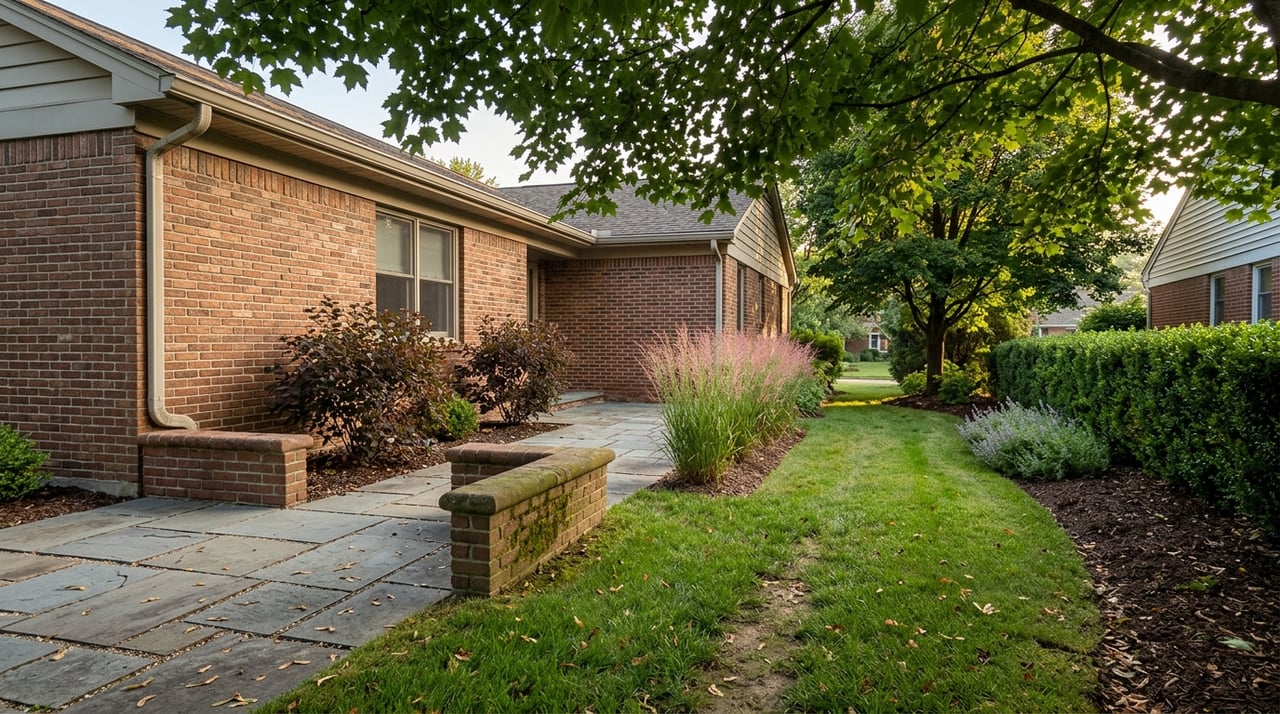
- Exterior drainage: Does the ground slope away from the house? Are the gutters and downspouts directing water away from the foundation?
- Village programs: Has the municipality offered financial assistance for flood-control improvements?
What to know before writing a home offer explains the broader due diligence process. For an older home in the Northwest Suburbs, these water-management questions deserve specific attention during the inspection period.
Check for Village Cost-Sharing Programs
Some Northwest Suburban municipalities have offered programs that help homeowners pay for flood-control improvements. These may include overhead sewer installations, backflow-prevention systems, or sump pump upgrades.
The programs vary by town and may change from year to year. They may also have funding limits, application deadlines, inspection requirements, or rules about when work can begin.
Contact the municipality directly before relying on a program as part of your budget. Ask whether assistance is currently available and whether the specific property or proposed project would qualify.
Even when no current program is available, learning what the village has offered in the past can give you helpful context about common improvements in the area.
Missing Upgrades Do Not Automatically Make a Home a Bad Choice
An older home without an overhead sewer or battery-backed sump pump is not automatically a poor purchase.
It does mean you have a few more questions to answer:
- Has this particular home experienced water or sewer problems?
- What drainage systems are already in place?
- How does the yard slope around the foundation?
- What improvements have previous owners made?
- What would it cost to add or update the systems after closing?
These are usually answerable questions. A qualified inspector, a plumber, documentation from the seller, and a conversation with the municipality can help you understand the property more clearly.
How to buy a home in Arlington Heights explains the full home-buying process. Water management is one important part of making a confident decision about an older home.
Let's Make Sure You Are Asking the Right Questions
Older homes in the Northwest Suburbs have a lot to offer. Understanding the sewer, drainage, and sump pump systems before closing can help you enjoy the home's character without being surprised by what is happening below the surface.
If you are searching in Arlington Heights, Mount Prospect, Des Plaines, Elk Grove Village, or a nearby community, visit myrealtormari.com, watch local buyer education and community videos on Life in the NW Burbs, email [email protected], or book a time to talk.
FAQs
What is an overhead sewer, and why does it matter?
An overhead sewer routes basement wastewater upward before it exits the home. Because the sewer connection is above the basement floor, municipal sewer backup has a more difficult path into the basement. This can be an important improvement in older homes.
Do all older homes in the Northwest Suburbs have overhead sewers?
No. Many homes built in the 1950s, 1960s, and 1970s were constructed without them. Some homeowners added overhead sewers later, often as part of a flood-control project or basement renovation.
What should I ask about a sump pump?
Ask about the pump's age, condition, maintenance history, and battery backup. You should also find out where the pump discharges water and whether the sump pit appears properly maintained.
Do local municipalities help pay for overhead sewer systems?
Some municipalities have offered cost-sharing or reimbursement programs for flood-control improvements. Availability, eligibility, and funding can change, so contact the village directly for current information.
Is an older home without an overhead sewer a bad purchase?
Not automatically. The home's water history, sewer setup, grading, drainage, and the cost of possible improvements all matter. Buyers should evaluate the complete picture rather than relying on one feature.
What other water-management features should I look for?
Look for working drain tile, proper grading, extended downspouts, maintained gutters, documented waterproofing, and a reliable sump pump with backup power. Also review the seller's disclosures and ask whether any basement work was properly permitted.