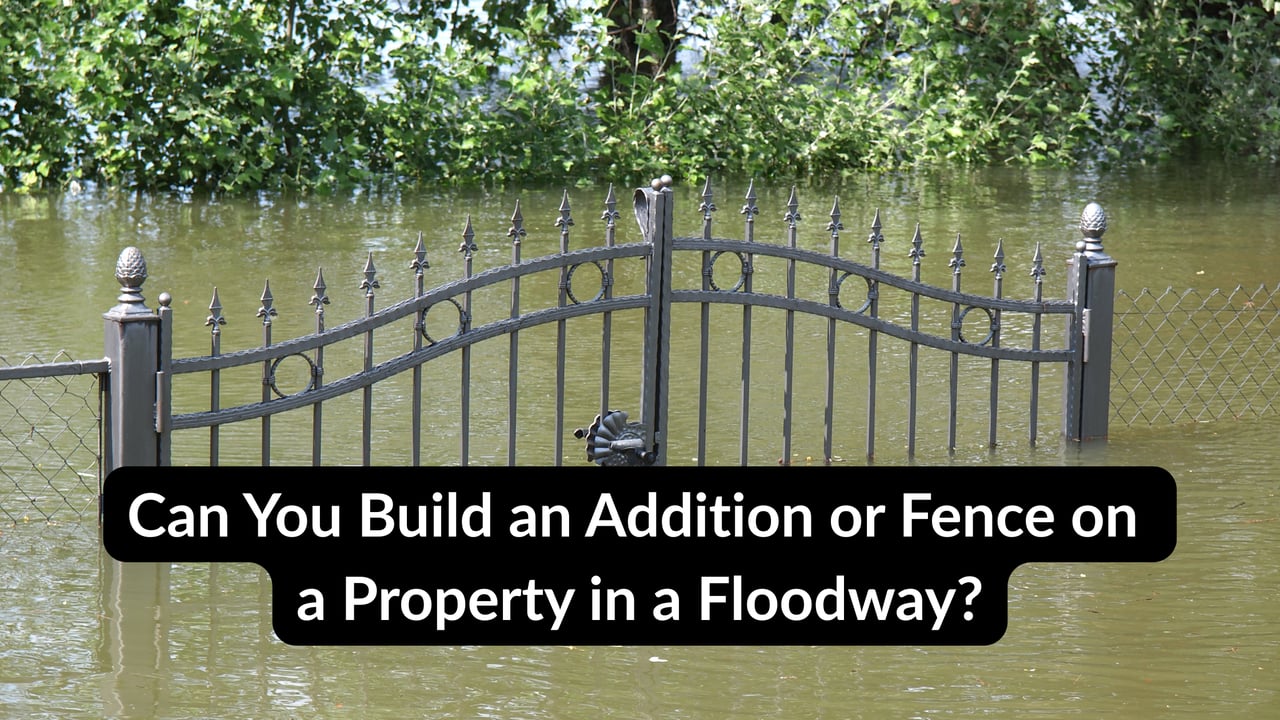
If a property sits in a designated floodway, additions, solid fences, and other outdoor improvements may be heavily restricted or not allowed.
A floodway is the part of a floodplain where water is expected to move during a flood. Because that area needs to remain open, local and state rules may limit what can be built there.
Before buying a home with plans to improve the backyard, check the FEMA flood map and contact the local building or engineering department.
Key Takeaways
- A floodway is the part of a floodplain where water is expected to flow during a flood.
- Floodways are usually regulated more strictly than the surrounding floodplain.
- Solid privacy fences may be restricted because they can block water and redirect it toward nearby properties.
- Additions, sunrooms, decks, sheds, pools, and other structures may be limited or prohibited within a floodway.
- Some communities may allow open fencing, such as split rail, but the rules vary.
- Always confirm the rules for the specific property address before making an offer.
- A beautiful backyard view does not automatically mean you can build or install whatever you want.
Floodway vs. Floodplain: An Important Difference
The terms floodway and floodplain are sometimes used as though they mean the same thing. They do not, and the difference matters when you are evaluating a property.
A floodplain is the broader area that may flood during a major storm or flood event. A floodway is the more restricted portion where floodwater is expected to actively move.
Think of it this way: the floodplain is the area that may get wet. The floodway is the path that needs to stay open so water has somewhere to go.
Structures placed within that path can slow the water, redirect it, or increase flooding on nearby properties. That is why development within a floodway is closely regulated.
Why a Floodway Needs to Stay Open
During a flood, the floodway works as a water corridor. Anything that blocks or narrows that corridor can affect where the water moves.
A solid fence, shed, retaining wall, large deck, or home addition may act like a partial dam. Water that cannot continue forward may back up or spread onto neighboring properties.
These restrictions are not simply paperwork. They are meant to protect surrounding homes and keep floodwater moving as safely as possible.
In Illinois, some construction within a floodway may require approval from the Illinois Department of Natural Resources, along with permits from the local municipality.
What This May Mean for Fences
Fences are one of the most common questions buyers have when considering a property near a creek, river, or drainage corridor.
A solid six-foot privacy fence may not be allowed within a floodway because it can block water flow. Even fencing that seems simple may require approval.
Some communities may allow open fencing, such as split rail or another design that lets water move through. Other municipalities may have specific height, spacing, or engineering requirements.
There is no single rule that applies across every Northwest Suburban community. What is allowed in one town may not be allowed in another.
Before assuming you can add a fence, contact the building or engineering department for the municipality where the property is located. Ask about the specific address, not just the neighborhood.
What This May Mean for Additions and Outdoor Structures
If you are buying a home with plans to add a sunroom, expand the house, build a deck, install a pool, or place a shed in the yard, the floodway designation may affect those plans.
Construction within a floodway is often heavily restricted. A proposed improvement may need local approval and a state floodway permit. The review may consider whether the project would raise flood levels or increase risk for neighboring properties.
Some projects may be approved with special requirements. Others may not be permitted at all.
This is worth researching before you fall in love with what you imagine the backyard becoming. What to know before writing a home offer explains the broader due diligence process. For a property near water, understanding what can be built should be part of that review.
How to Check Before You Buy
The process becomes much easier once you know which questions to ask.
Step 1: Check the FEMA Flood Map Service Center.
Search the exact property address through the FEMA Flood Map Service Center. The map can help you see whether the property is within a floodplain and whether any portion is marked as a floodway.
Step 2: Contact the local building or engineering department.
If the map shows a possible floodway, contact the municipality and ask what improvements are allowed. Have the property address available and explain what you are considering, such as a fence, shed, deck, pool, or addition.
Step 3: Ask whether state approval may be required.
Some projects within an Illinois floodway may also require review or a permit from the Illinois Department of Natural Resources. The local department can usually help point you toward the correct state contact.
Step 4: Research the rules before making an offer.
If a future backyard project is important to you, confirm whether it is possible before you become emotionally or financially committed to the property.
For related flood questions, read more about flood insurance for homes near the Des Plaines River and what an Elevation Certificate is.
The Backyard View and the Backyard Rules Are Different
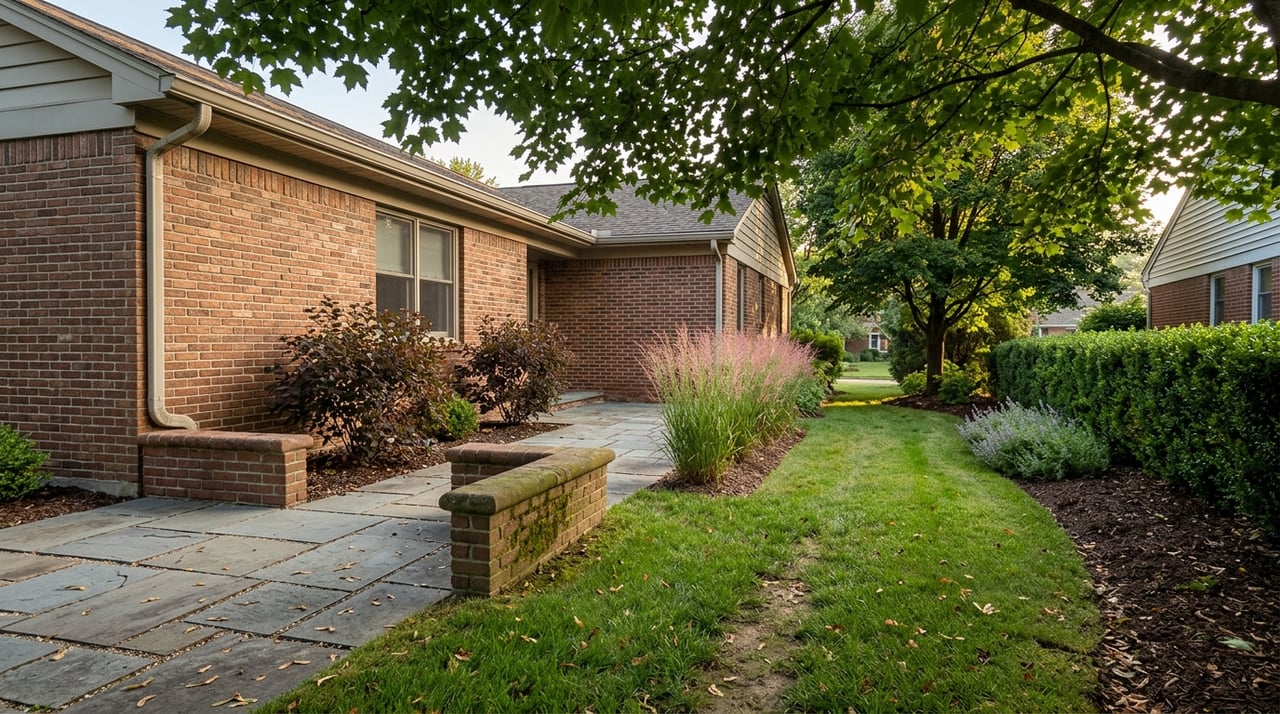
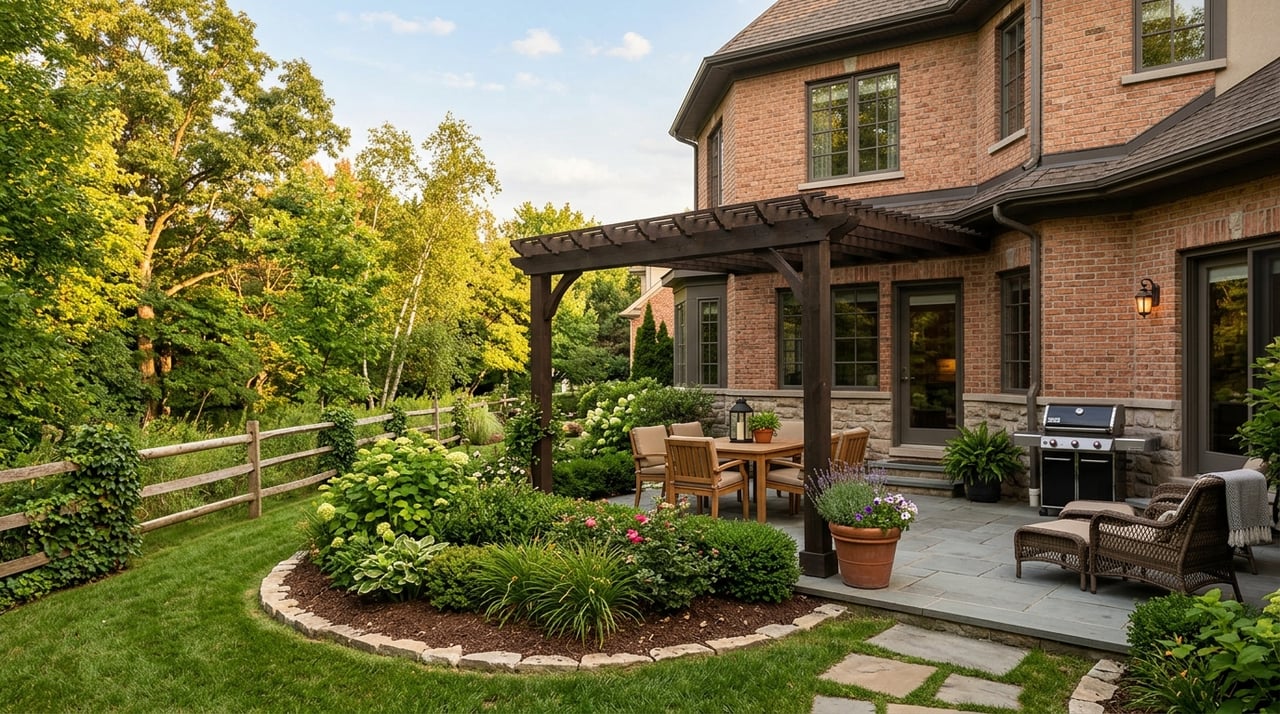
Homes that back to creeks, rivers, and drainage corridors can offer beautiful views, open space, and a peaceful setting.
Those benefits may also come with restrictions that do not appear in listing photos. A yard may look spacious while only part of it can be changed or developed.
This does not automatically make the property a poor choice. It simply means you need the full picture before deciding whether the home fits your plans.
The same careful research applies when buying a home in Arlington Heights or another Northwest Suburban community. The house itself is only one part of what you are buying.
Let's Make Sure You Have the Full Picture
Properties near water often require a few extra questions. Those questions are manageable when you know where to look and who to contact.
If you are considering a home near a creek, river, or drainage corridor in Chicago's Northwest Suburbs, visit myrealtormari.com, watch local buyer education and community videos on Life in the NW Burbs, email [email protected], or book a time to talk.
FAQs
What is the difference between a floodway and a floodplain?
A floodplain is the broader area that may flood during a major storm or flood event. A floodway is the portion where water is expected to actively flow. Development within a floodway is usually more restricted because structures can redirect water or increase flooding on nearby properties.
Can I install a solid privacy fence in a floodway?
It may not be allowed. A solid fence can block water flow and redirect flooding. Some municipalities may allow open fencing, such as split rail, but requirements vary. Always confirm the rules with the local building or engineering department.
Can I build an addition or outdoor structure in a floodway?
Possibly, but construction is often heavily restricted. The project may require local permits and approval from the Illinois Department of Natural Resources. Some proposed additions, decks, sheds, pools, or other structures may not be permitted.
How can I find out whether a property is in a floodway?
Search the exact address through the FEMA Flood Map Service Center. The available map should show whether the property is within a floodplain and whether any portion is designated as a floodway.
Who can confirm what I am allowed to build?
Start with the building or engineering department for the municipality where the property is located. Ask about the specific address and describe the improvement you are considering. The department can also tell you whether state review may be required.
Should floodway restrictions stop me from buying a property near water?
Not necessarily. Many buyers value the open space and natural setting. The important part is understanding the restrictions before you buy so you can decide whether the property still fits your needs and future plans.