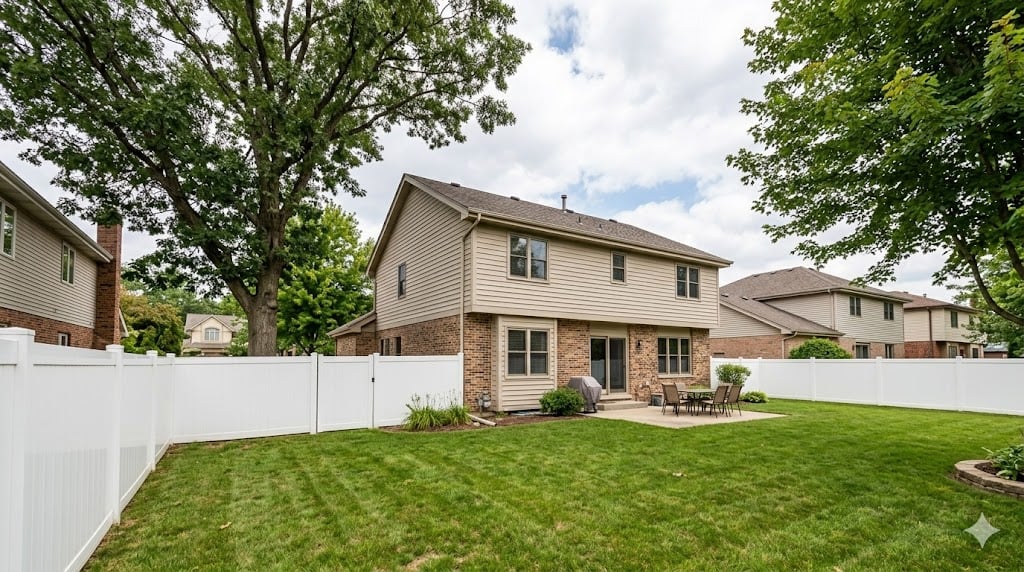
Installing or replacing a fence in Palatine may require a Village permit before work begins.
Fence height, location, design, materials, property lines, and corner-lot visibility can all affect what is allowed. Homeowners should also review their plat of survey and any homeowners association rules before scheduling installation.
The safest approach is to confirm the requirements for your specific property with the Village of Palatine before ordering materials or signing a contractor agreement.
Key Takeaways
- New fences and replacement fences may require a permit from the Village of Palatine.
- Backyard fencing may have different height and design rules from front-yard fencing.
- Corner lots often have additional restrictions because more than one side of the property faces a street.
- Your plat of survey helps identify property boundaries, easements, and the correct fence location.
- Homeowners association rules may be more restrictive than Village requirements.
- Permit, zoning, and HOA approval should be confirmed before installation begins.
Why Palatine Regulates Residential Fences
A fence affects more than one yard.
Its height and location can affect visibility, drainage, neighboring properties, utility access, and traffic safety. A fence placed only a few inches beyond a property line can also create an expensive dispute.
Local review helps homeowners understand what is allowed before the work begins.
The same principle applies to many home projects throughout the Northwest Suburbs. Checking the rules early is usually easier than correcting a problem after construction. You can also read about shed and detached garage permits in Mount Prospect and basement finishing permits in Arlington Heights.
Backyard Privacy Fences
Backyard fences are often used for privacy, pets, security, and defining outdoor space.
The allowable height and design may depend on:
- The zoning district
- The location of the fence on the property
- The type of lot
- Recorded easements
- Existing fences or structures
- Homeowners association restrictions
A six-foot privacy fence may be allowed in some rear-yard locations, but homeowners should not assume that height applies everywhere.
Confirm the current rule for your property before purchasing panels or setting posts.
Review Your HOA Rules
If the property is part of a homeowners association, the association may regulate:
- Fence height
- Materials
- Color
- Style
- Gate placement
- Installation procedures
Village approval does not automatically mean the project meets HOA requirements. You may need approval from both.
This can be especially important in planned communities and areas with larger lots or architectural standards. Read more about Palatine neighborhoods near Inverness.
Front-Yard Fence Rules
Front-yard fences are generally reviewed more closely because they affect neighborhood sightlines, pedestrians, drivers, and the appearance of the street.
The Village may limit:
- Fence height
- How solid the fence may be
- The distance from sidewalks, streets, and driveways
- The materials and design
- Placement near intersections
Open designs, such as ornamental metal, picket, or decorative rail fencing, may be more appropriate than solid privacy panels in front-yard locations.
Do not rely on a neighboring property as proof that a particular fence will be approved. The neighboring fence may have been built under older rules, may sit in a different zoning district, or may have received a special approval.
Corner Lots Need Extra Attention
Corner lots often have additional fence restrictions because two sides of the property face public streets.
A yard that feels like a side yard may still be treated as a street-facing yard under local zoning rules.
The Village may review:
- Fence height along the street-facing side
- Visibility near the intersection
- Distance from sidewalks and the public right-of-way
- Driveway sightlines
- The location of gates
A solid privacy fence that may be allowed along an interior rear property line may not be allowed along the street-facing side of a corner lot.
Your plat of survey and the property’s zoning information will help the Village determine which rules apply to each section of the yard.
Fence Materials
Common residential fence materials include:
- Wood
- Vinyl or PVC
- Ornamental aluminum or metal
- Chain-link, where permitted
Material rules may vary by location, zoning, and homeowners association.
Some materials or security features may be prohibited in residential areas. Before selecting a fence, confirm whether the proposed material and design meet current Village and HOA requirements.
You should also consider maintenance. Wood may require staining or sealing. Vinyl can be easier to maintain but may be limited by HOA design standards. Metal fencing offers an open appearance but may not provide the privacy some homeowners want.
Why Your Plat of Survey Matters
Your plat of survey is one of the most important documents for a fence project.
It may show:
- Property boundaries
- Lot dimensions
- The location of the home and other structures
- Recorded easements
- Building lines
- Existing fences, driveways, patios, and other improvements
Visible features are not always located on the legal property line. A hedge, old fence, mowing pattern, or row of trees may not mark the true boundary.
A contractor should not guess where the fence belongs.
If the property line is unclear or the existing survey is outdated, a licensed land surveyor may need to prepare a new survey before installation.
Property boundaries and recorded restrictions also matter when researching other land-use concerns. This guide to floodway restrictions and homeownership in Illinois explains another situation where property-specific information matters.
Utility Easements and Fence Placement
An easement may give a utility company, municipality, or another party certain access rights across part of the property.
Fence placement within an easement may be restricted or subject to additional conditions. Gates may be required in some locations so crews can reach utility equipment.
Before placing a fence near an easement:
- Review the recorded documents.
- Ask the Village what is allowed.
- Contact the utility company when required.
- Confirm whether gates or removable sections are needed.
Call the appropriate utility-locating service before digging so underground lines can be marked. Utility markings do not replace a property survey or Village approval.
Does Replacing an Existing Fence Require Approval?
Replacing an old fence may still require a permit or review, even when the new fence follows the same general location.
Current requirements may be different from the rules that applied when the original fence was installed.
The Village may need to review:
- The current property line
- The proposed height
- The fence material
- Corner-lot visibility
- Easements
- Changes to gates or layout
Do not assume that an existing fence proves the location or design is currently permitted.
What Can Happen When a Fence Is Installed Incorrectly?
An improperly placed or unapproved fence may create problems long after installation.
Possible concerns include:
- Encroachment onto a neighboring property
- Construction within a public right-of-way
- Blocked access to utility equipment
- Reduced visibility near a driveway or intersection
- HOA violations
- Requests to move, alter, or remove the fence
- Questions during a future home sale
The outcome depends on the property, the fence, the applicable rules, and how the issue is discovered.
During a sale, buyers may ask for permits, surveys, invoices, or information about property-line agreements. Missing records can lead to more questions and additional negotiations.
The Right Steps Before Installing a Fence
- Define the project. Choose the proposed height, style, material, location, and gate placement.
- Locate your plat of survey. Review property boundaries, existing improvements, and recorded easements.
- Check HOA requirements. Request written approval when required.
- Contact the Village of Palatine. Confirm the permit, zoning, and application requirements for your property.
- Identify whether the home is on a corner lot. Ask which sections of the yard are treated as street-facing yards.
- Choose a qualified contractor. Confirm insurance, permit responsibility, and experience with Palatine requirements.
- Receive approval before installation. Do not rely only on a contractor’s opinion about what is allowed.
- Mark utilities before digging. Follow current utility-locating procedures.
- Keep your records. Save the permit, survey, plans, approvals, invoices, and warranties with your home documents.
A brief conversation with the Village before work begins can prevent a much more expensive problem later.
Planning a Fence or Another Home Improvement in Palatine?
A fence can add privacy, function, and a more comfortable outdoor space. The first step is making sure the design fits the property and follows current requirements.
I share homeowner education, local information, and Northwest Suburban real estate guidance on my YouTube channel, Life in the NW Burbs.
You can also visit MyRealtorMari.com, email [email protected], or schedule a conversation.
Frequently Asked Questions
Do I need a permit to install a fence in Palatine?
A permit or zoning review may be required for a new fence or replacement fence. Contact the Village of Palatine before work begins to confirm the requirements for your property.
How tall can a backyard fence be in Palatine?
The allowable height depends on the fence location, zoning district, lot type, and any HOA restrictions. A six-foot fence may be allowed in some rear-yard locations, but the rule should be confirmed before ordering materials.
Can I install a solid privacy fence in my front yard?
Front-yard fences are often subject to lower height limits and more open design requirements. Confirm the proposed style and location with the Village before installation.
Do corner lots have different fence rules?
Yes. The street-facing side of a corner lot may be subject to front-yard or visibility requirements. The Village should review the specific property and proposed fence layout.
Can I install a fence within a utility easement?
An easement may restrict fence placement or require special access. Review the recorded documents and confirm the requirements with the Village and applicable utility provider.
Do I need approval to replace an existing fence?
A replacement fence may still require a permit or review, even when it follows the general location of the old fence. Current rules may differ from those that applied when the original fence was installed.
What should I do if I cannot find my plat of survey?
Review your closing and title documents first. You may also contact your title company, real estate attorney, prior surveyor, or a licensed Illinois land surveyor. Ask the Village whether the document you have is sufficient for the application.