Installing a swimming pool in Mount Prospect requires a village building permit for in-ground pools and most larger above-ground pools. Above-ground pools that can hold 24 inches of water or more generally fall under the permit requirement.
The village also requires an approved safety barrier, licensed electrical work, and proper placement based on setbacks and utility easements. Before signing a contract or paying a deposit, request the current pool permit packet from the Village of Mount Prospect.
Key Takeaways
- In-ground pools and most larger above-ground pools require a Village of Mount Prospect building permit.
- Above-ground pools capable of holding 24 inches of water or more generally require a permit.
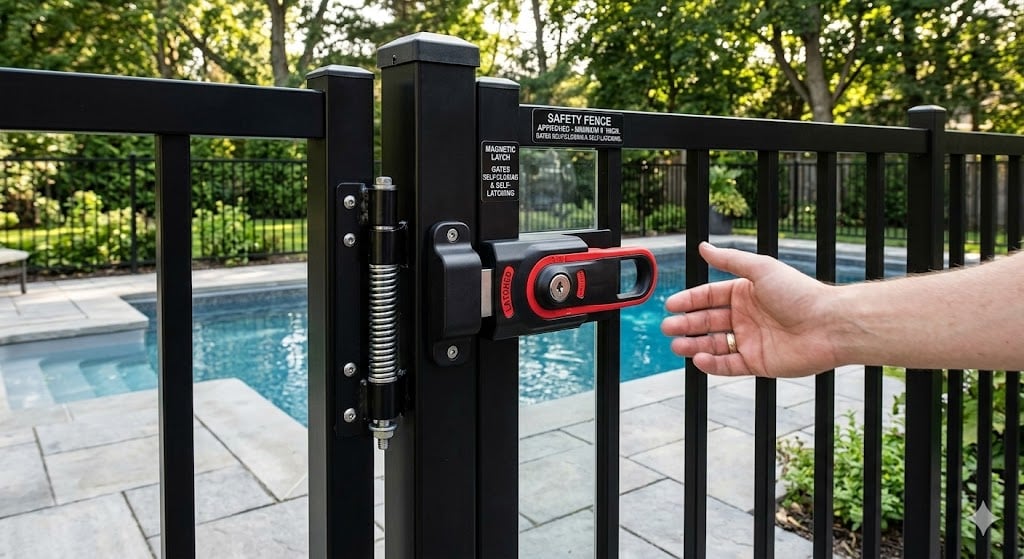
- The pool area must have an approved safety fence or barrier at least four feet high.
- Access gates must be self-closing and self-latching.
- Doors leading directly from the house to the pool area may require safety alarms when the home forms part of the enclosure.
- Pool pumps, lighting, heaters, outlets, and other electrical components must be installed to code by a licensed electrician.
- Pools must meet setback rules and cannot be placed over utility easements.
- A plat of survey is usually needed as part of the permit application.
Why Pool Permits Matter
A swimming pool brings safety concerns that do not apply to many other home projects. These include drowning risks, electrical hazards, drainage issues, and the impact of excavation on the property.
The permit and inspection process helps make sure the pool has a safe barrier, properly installed electrical systems, and an approved location. It protects the people using the pool while also helping the homeowner avoid insurance, liability, and resale problems later.
The same idea applies to other larger home improvements. Basement finishing permits in Arlington Heights and shed and detached garage permits in Mount Prospect are also designed to make sure work is completed safely and in the proper location.
Which Pools Require a Permit?
Mount Prospect requires permits for both in-ground pools and many above-ground pools.
In-Ground Pools
Permanent in-ground pools require a building permit before excavation or installation begins.
Above-Ground Pools
Above-ground pools capable of holding 24 inches of water or more generally require a permit. The water depth matters because it affects the level of safety risk.
A small, shallow splash pool may fall below the permit threshold. Most full-size above-ground pools will not.
Before ordering a pool, give the village the model, dimensions, and water depth. They can tell you whether a permit is required before you make a purchase that may not work for your property.
Pool Fence and Barrier Requirements
Pool barriers are one of the most important parts of the village review process. Their purpose is to prevent someone, especially a young child, from reaching the pool without an adult knowing.
Minimum Barrier Height
The pool must be surrounded by an approved continuous fence or barrier at least four feet high. The enclosure must protect the entire pool area, not only the sides facing the street or neighboring properties.
Self-Closing and Self-Latching Gates
Every gate leading into the pool area must close and latch automatically. A gate that depends on someone remembering to close or lock it may not meet the requirement.
Doors Leading From the Home
In some backyards, the home forms one side of the pool enclosure. When a door opens directly from the house into the pool area, the village may require an approved safety alarm or another protective feature.
Ask the building department how this rule applies to your specific home and pool layout.
Electrical Requirements
Water and electricity require careful planning. Pool electrical systems must be installed correctly and inspected before the pool can be approved for use.
Electrical work may include:
- Pool pump wiring and connections
- Underwater lighting
- Pool heater connections
- Ground-fault circuit interrupter outlets
- Bonding and grounding of pool equipment and nearby metal components
Ground-fault circuit interrupter, or GFCI, protection is designed to shut off power when an electrical fault is detected. This protection is especially important around water.
Use a properly licensed electrician who is familiar with swimming pool installations. Electrical work that does not meet code may need to be removed and installed again before it can pass inspection.
Setbacks, Easements, and Your Plat of Survey
A pool cannot be placed anywhere there happens to be open yard space. Its location must meet village setback rules and avoid areas reserved for utilities or drainage.
Property-Line Setbacks
The pool must remain a required distance from property lines and other structures. The exact setbacks may depend on the zoning district, pool type, and property layout.
Utility Easements
Pools generally cannot be installed over utility easements. These areas may contain underground lines or need to remain open for future access.
Plat of Survey
Your plat of survey shows the property boundaries, existing structures, and recorded easements. The village and your pool contractor can use it to determine whether the proposed location is likely to meet the rules.
If you do not have a usable plat, you may need to order a new survey from a licensed surveyor.
Properties near drainage areas or low-lying land may require additional review. My article on floodway restrictions and home buying in Illinois explains why some yards have more limits than others.
What to Expect During Inspections
Pool projects often require more than one inspection. The timing and number of inspections depend on the type of pool and the work involved.
Possible inspection stages may include:
- Layout or excavation review
- Plumbing inspection
- Electrical rough-in inspection
- Bonding and grounding inspection
- Fence and barrier inspection
- Final inspection
Some work may need to remain visible until it has been inspected. Covering wiring, plumbing, or other required components too early can lead to delays or additional work.
Your pool builder should understand the Mount Prospect inspection process and explain who is responsible for scheduling each visit.
Steps to Take Before Signing a Pool Contract
- Request the current permit packet. Contact the Village of Mount Prospect and ask for the requirements that apply to your planned pool.
- Find your plat of survey. Review the property lines, structures, and easements before choosing a location.
- Confirm the pool will fit. Include space for required setbacks, equipment, decking, and the safety enclosure.
- Review HOA rules. An association may have additional limits on pool types, fencing, placement, or construction.
- Check the contractor’s qualifications. Confirm who will pull permits, schedule inspections, and complete the electrical work.
- Get responsibilities in writing. The contract should clearly state who handles permits, inspections, site preparation, fencing, electrical work, and final approvals.
- Submit permits before work begins. Do not allow excavation, delivery, or installation to start before the required approvals are in place.
- Plan for the full cost. Include permits, fencing, electrical work, landscaping repairs, drainage, inspections, and possible schedule delays.
Getting answers before signing a contract gives you a clearer picture of whether the project is possible and what it will truly cost.
Questions About Mount Prospect Homeownership?
A pool can be a wonderful addition, but it needs to fit the property, the village rules, and your full project budget.
Visit myrealtormari.com, watch local homeowner and community videos on Life in the NW Burbs, email [email protected], or book a time to talk.
Frequently Asked Questions
Do I need a permit to install a pool in Mount Prospect?
In-ground pools and above-ground pools capable of holding 24 inches of water or more generally require a Village of Mount Prospect building permit. Confirm the current requirements before purchasing a pool or signing an installation contract.
What are the pool fence requirements in Mount Prospect?
The pool area generally must be enclosed by an approved fence or barrier at least four feet high. Access gates must be self-closing and self-latching. Additional protection may be required when a door from the house opens directly into the pool area.
Does an above-ground pool require a permit?
It generally does when the pool can hold 24 inches of water or more. Contact the village with the exact model and water depth if you are unsure.
Who can install the electrical components?
Pool pumps, lighting, heaters, outlets, bonding, and other electrical components must be installed according to code. Use a properly licensed electrician who has experience with swimming pool projects.
Can I place a pool anywhere in my backyard?
No. Pools must meet required setbacks and cannot interfere with utility easements or other restricted areas. The village will review the proposed location using your plat of survey.
What happens if a pool is installed without a permit?
The homeowner may be required to stop work, apply for permits after construction has started, uncover completed work for inspection, or make costly corrections. An unpermitted pool can also create insurance, liability, and resale concerns.